

























































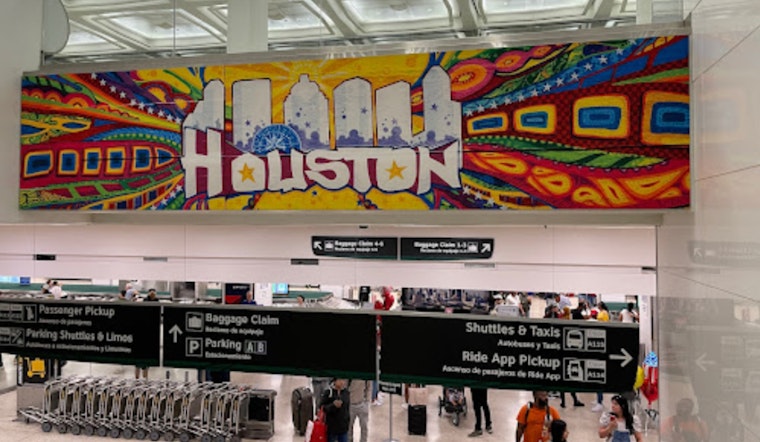
Houston is gearing up for a big decision that could majorly revamp George Bush Intercontinental Airport. The City Council is set to cast its vote on Wednesday over the Terminal B expansion project, which is part of a $2.55 billion overhaul spearheaded by United Airlines. The plan aims to triple the terminal's capacity, a move that may greatly benefit America's fourth-largest city.
Under the plan, the existing Terminal B, which has been a staple since 1969, is set to not only grow but to quickly become unrecognizable. If passed, this project promises to create over 3,000 jobs in the Houston area. But it's not just employment on the line; this is about elevating Houston's status in the global travel arena—according to a statement obtained by Houston's official channel—Mayor John Whitmire remarked, "Houston needs first-class facilities as a global city."
The project is a hefty one and carries a significant budget. United Airlines has committed to funding more than $1.9 billion of the total cost, with the City expected to pitch in $624 million. These municipal funds are to come from the Airport System Consolidated 2011 Construction Fund, as per the proposal before the council. This investment, however, is said to be recoverable through various airport fees post-completion. "The economics of this project are excellent for Houstonians: more than a 25% return on a Net Present Value basis," Jim Szczesniak, Director of Aviation for Houston Airports, confidently told Houston's official channel.
The Terminal B project is more than a facelift; it is a symbol of the city's commitment to growth and innovation. It plans to feature 40 new gates for domestic and international travel and include a new processor that will handle ticketing, security, and baggage claim. Steve Kean, President and CEO of Greater Houston Partnership, thinks highly of this investment, saying, "Investments in IAH will result to increase economic activity and bolster our economy." Such infrastructure upgrades are crucial for keeping up with the city’s increasing tourism demands and for sustaining Houston as a top-tier destination.
Not just an initiative valued by the mayor and various economic entities, but community organizations like Houston First also stand behind the terminal's expanded vision. They understand the power of a world-class airport in drawing visitors and promoting the city as a significant aviation hub. With a record number of passengers passing through Houston's airports last year, this expansion is seen as both a necessary and strategic move to support the economic growth of the city.





