

























































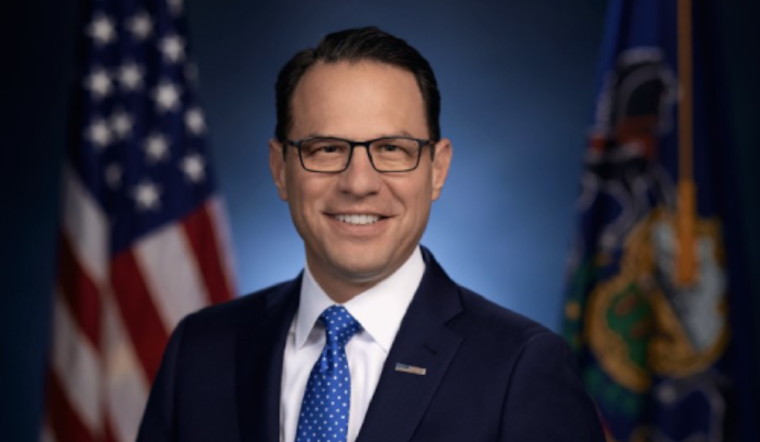
In a move widely supported by leaders in environment and industry alike, Governor Josh Shapiro has rolled out a new energy game plan for Pennsylvania that could see a substantial boost in energy sector employment and a serious shift toward battling climate change – all while keeping an eye on the wallet of the average Pennsylvanian. This initiative, aimed at leading Pennsylvania into the future of energy development, is expected to generate close to 15,000 new jobs, lower electricity costs, and push the state to regain its standing as an energy trailblazer.
The consensus is clear: stakeholders across the spectrum are ready to nearly jump into action to back Shapiro's approach. "Today we’re really excited to talk a little bit about this package that is put forward – I think it is nation-leading and can deliver a lot of promise for Pennsylvania," Jackson Morris, who co-chaired the Governor's Working Group, told the Commonwealth of Pennsylvania. With Pennsylvania looking down the barrel of increasingly inevitable climate impacts, inaction, as Morris emphasizes, isn't on the table – and the Shapiro administration appears to understand this urgency.
The plan spotlights a cap-and-invest program targeting the power sector under the fanciful moniker PACER, hand in hand with PRESS – a proposal to revitalize the state's clean energy standards. It's not just about environmental benefits; it's a strategy expected to reverberate positively through the economy. David Masur from PennEnvironment tipped his hat to the announcement as a "one-two punch" that will tackle the state’s carbon footprint while championing renewables like solar and wind.
Skeptics have often turned a critical eye toward such policies, questioning economic feasibility, but the backing this plan has received suggests a different kind of story. Justin Balik of Evergreen Action believes the governor's vision "will create new jobs, capture federal tax credits from the IRA, and lower energy costs for Pennsylvania consumers and businesses." Meanwhile, Sharon Pillar from the Pennsylvania Solar Center foresees an increase in solar uptake, benefiting a plethora of sectors from small businesses to schools, as a result of Shapiro's policy.
As Pennsylvania grapples with its role in the climate crisis, this wave of initiatives has offered a breath of fresh air, an energy blueprint not just for the present economy, but for future generations. With the legislative approval still a hurdle to clear, Pennsylvania eyes the horizon, understanding the price of inaction in the complex calculus of climate change and energy policy.





