

























































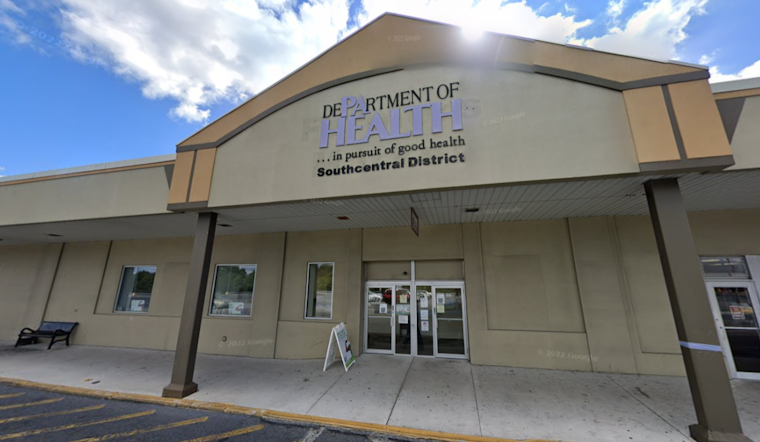
In a bid to combat the ever-evolving overdose epidemic, Governor Shapiro's administration has rolled out a new salvo in this public health fight. According to the Pennsylvania Department of Health, health care providers and public safety officials state-wide are set to receive fresh training to prevent drug overdoses, empowering them with modern, evidence-based tactics in the thick of an opioid crisis that has relentlessly gripped the commonwealth.
These free online trainings not only aim to arm professionals with necessary skills but also to sneak new strategies into their armamentarium, all in a quest to halt an alarming trend: every two hours, a life in Pennsylvania is claimed by overdose. As stated by Dr. Debra Bogen, Pennsylvania's Acting Health Secretary, to KDKA-TV Pittsburgh, "We want to make sure everyone has access to quality with kindness and support."
The initiative unrolls five new training modules, each tailored to different sectors, including those treating pregnant and postpartum women, emergency department workers, child welfare professionals, and even dentists. Dr. Bogen highlighted to KDKA-TV Pittsburgh that dentists "are the most likely health care professionals to prescribe opioids to people who have never had an opioid exposure before."
The courses not only strive to enhance understanding about opioid use and harm reduction approaches but also stride forward to link people to care, lower stigma, and prescribe treatments such as buprenorphine. Says Dr. Bogen in her interview with KDKA-TV Pittsburgh, they are focused on "increasing their knowledge on key topics related to opioid use and harm reduction."
Despite the Pennsylvania Department of Health reporting a 4 percent decrease in drug overdose deaths from the previous year, with numbers falling from 5,158 in 2022 to a slightly diminished rate, there is a consensus that the battle is still uphill. Allegheny County alone saw a decrease of almost 30 overdoses compared to 2021. Dr. Bogen's sobering conclusion: "We still have a lot of work to do." She remains hopeful that the new courses will continue to improve patient outcomes and ultimately save lives.





