

























































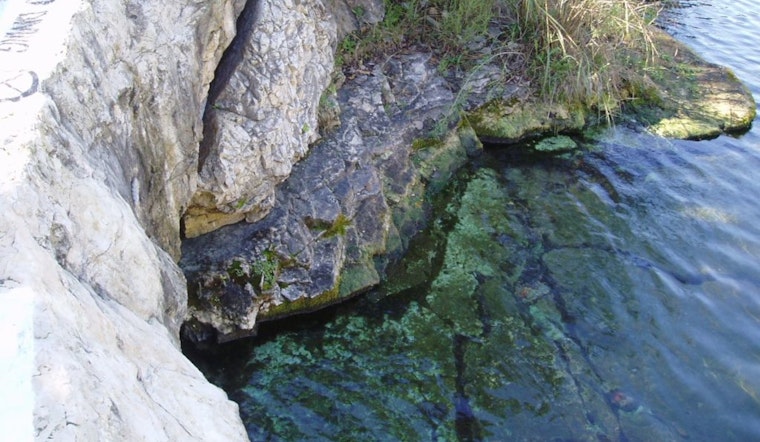
Texas' landscape is thirstier than ever, with a new study from Texas State University showing the number of dry springs in Texas has nearly tripled over the last 50 years. Texas State researchers, digging into a 1975 report, found that 30% of the springs that were flowing half a century ago have now dried up, a dire reflection of how strained the state's water resources have become.
According to KXAN, Robert Mace, Meadows Center Executive Director, and Nohemi Galaviz, his research assistant used a combination of satellite imagery and fieldwork to conduct their follow-up study. “Quite a few more springs have gone dry since that initial study,” Mace said, illustrating the dire convergence of overpumping and a booming population needing to slurp from an ever-decreasing pool of groundwater, which makes up about 60% of the state’s water supply.
Beyond the general drying trend, spring-specific stories have emerged. For example, Jacob's Well, a noted spring in Hays County, ceased flowing from June of last year until late January this year, only punctuated by intermittent bursts following rainfall, as reported by Dripping Springs News. Mace's research also highlighted the precarious state of San Marcos Springs and called attention to three other springs submerged by reservoir construction.
Mace, offering a glimmer of hope, noted that some springs like Comanche Springs in Fort Stockton have shown signs of recovery when aquifer pumping is reduced. “It has started to come back. Not consistently, but every winter season when they’re not pumping as much for agriculture, the spring has been coming back for the last ten to 20 years,” Mace told Dripping Springs News. This evidence suggests that reducing groundwater extraction could breathe life back into these vital water sources.
The study underscores the urgency of water conservation and the adoption of alternative water sources like rainwater to prevent further loss of these natural resources. "I’m not telling people not to use groundwater, but at least know what the long-term consequences are," Mace warned in a statement obtained by KXAN. The fate of Texas' beloved parks and streams, according to the researchers, hinges on efficient water use and broader environmental awareness.





