

























































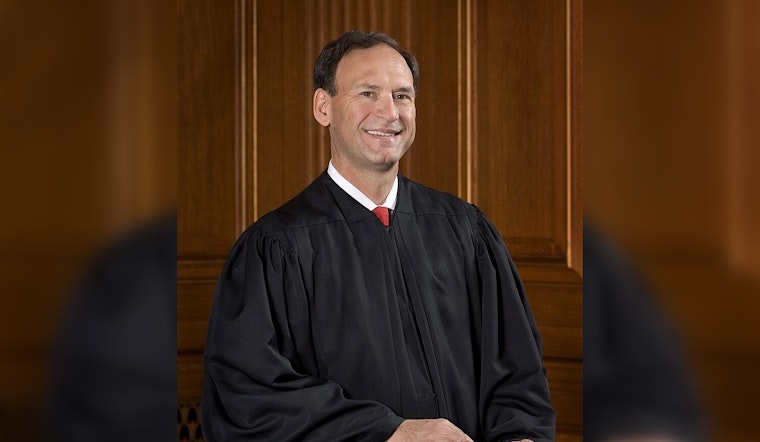
The contentious immigration crackdown in Texas is on pause after Supreme Court Justice Samuel Alito granted an extension of an administrative stay, effectively putting Senate Bill 4 (SB4) on hold. As originally reported by KXAN, this law, signed by Gov. Greg Abbott, would have seen Texas peace officers empowered to arrest and potentially deport individuals suspected of illegal border crossings.
The proposed state legislation stipulates that crossing into Texas outside of a port of entry would be considered a Class B misdemeanor, and repeat violations could escalate to a state jail felony. After issuing the delay on the enforcement of the law, which was also intended to allow state magistrate judges the authority to order individuals to return to Mexico, Alito pushed back its implementation; the stay was issued minutes after a self-imposed deadline passed.
In contrast, the Biden Administration has been vocal in its opposition to the Texas law, with the Justice Department labeling it unconstitutional. The federal government has argued that immigration, including the processes of arrest and deportation, is the exclusive domain of federal authorities. The CBS News report highlighted the struggle between state and federal levels over immigration enforcement, with Texas taking an unusually assertive stance.
The legal dust-up has placed the SB4 in the middle of a fiery debate as it makes illegal reentry a state-level felony. The full Supreme Court has yet to take action on a formal request to put the law on hold, even as the Justice Department has pointed out the potential for damaging international relations, particularly with Mexico, which has sternly decried SB4 as "anti-immigrant." Gov. Abbott, in defense of the law, stands firm, insisting it deters illegal crossings by signaling that the federal government's measures are insufficient.
Texas continues to confront federal immigration policy with unparalleled ferocity, orchestrating various maneuvers including transporting thousands of migrants to Democrat-run cities, reinforcing border barriers, and initiating multiple legal challenges against federal immigration actions. This stalemate holds as the nation watches and waits for the Supreme Court's next move in the unfolding saga of state versus federal control over immigration policy.





