

























































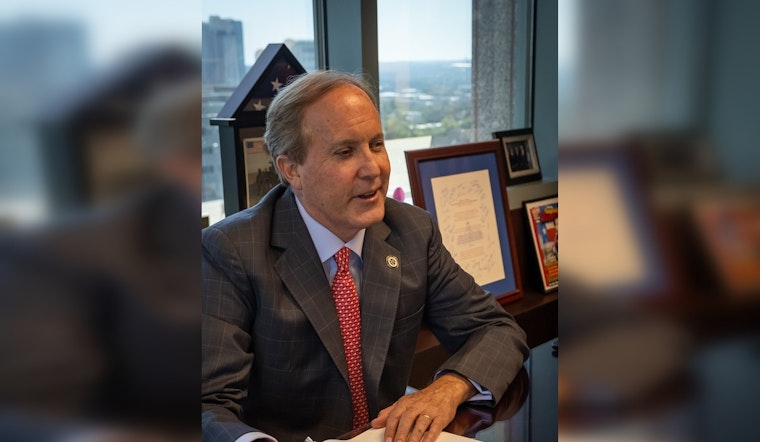
Texas Attorney General Ken Paxton is taking the Biden Administration to court over what he calls an "unlawful and indefinite ban" on liquified natural gas exports. In a legal challenge filed alongside Louisiana and 14 other states, Paxton is fighting to lift a pause on LNG export application approvals, claiming the move is unconstitutional and threatens the economic fabric of Texas, a top producer of crude oil and natural gas in the nation.
According to the lawsuit, the Department of Energy has admitted that there's "no factual or legal basis" for the ban. The legal action seeks to reverse a decision that could impact the Texas economy and the livelihoods of millions dependent on the energy sector. "Biden’s unilateral decree disregards statutory mandates, flouts an legal process, upends the oil and gas industry, disrupts the Texas economy, and subverts our constitutional structure," Paxton asserted in a statement released by his office. These concerns are not just abstract legal arguments but echo the fears of an industry that fuels the state's economic engine.
Attorney General Ken Paxton Sues Biden to Stop Unlawful Ban on LNG Exports: https://t.co/OK8yXvsBys
— Texas Attorney General (@TXAG) March 21, 2024
The lawsuit filed by the states accuses the Biden Administration of ignoring the Natural Gas Act, which typically assumes exports should be allowed, and overturning decades of Department Energy policy. Paxton argued that the ban could drive away billions of dollars in investments earmarked for Texas, diminish funding for public schools, necessitate flaring of excess natural gas that could otherwise be sold, and lead to job losses in a critical industry.
"I will not stand by while Biden attacks Texas," Paxton vowed. The Attorney General’s office paints a dire picture for the state’s economy should the ban persist, with the potential to annihilate critical jobs and undo years of growth and investment. The legal filing, available through the Texas Attorney General’s website, lays out the states' case for lifting the contentious ban and ensuring the continued free flow of Texas energy to the world market.





