

























































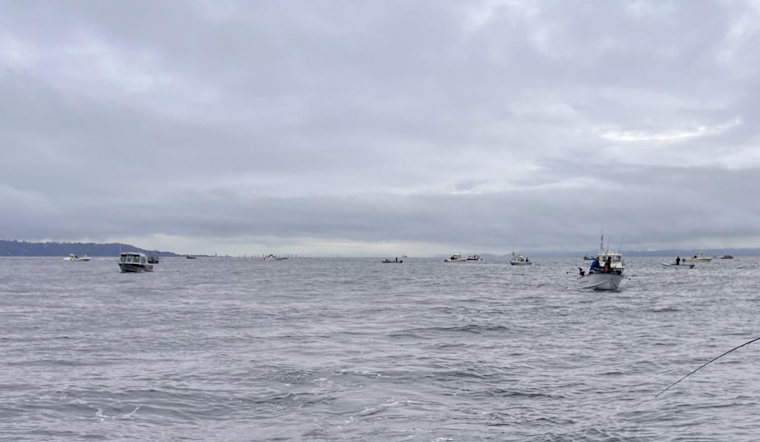
Seattle's winter Chinook salmon enthusiasts have hit an early snag as the Washington Department of Fish and Wildlife (WDFW) abruptly shuttered the Marine Area 10 fishery due to excessive catch numbers. Dr. Kirsten Simonsen, the agency's Puget Sound recreational salmon manager, highlighted a surge in catches prompted by a fortnight of favorable weather, leading to anglers rapidly exceeding the season's catch limits. According to the Washington Department of Fish and Wildlife, the fishery hit 145% of the total encounters limit, aimed to carefully protect this valuable species.
This early closure left local fishermen to suddenly adapt their plans, after Marine Area 10 was eagerly opened just from March 1-23, for four days each week. Specific catch data indicates that anglers hauled in 7,176 salmon, substantially surpassing the 4,953 fish ceiling agreed upon. Even more concerning, the sublegal and unmarked encounters – young fish to throw back – were also exceeded by a hair's breadth. While piers in the area will remain open year-round for salmon fishing, and the Agate Pass Area continues to allow daily catch-and-release fly fishing through March 31, the main event is over.
Meanwhile, Marine Area 11 (Tacoma-Vashon Island) fishers can hold on to their rods a little longer. The WDFW confirms this zone will stay open on the same four-day schedule through April 15, pending any early limit hits. Farther west, the watery realm of Marine Area 5 (Sekiu and Pillar Point) anticipates an April 1-30 winter Chinook season, keeping fingers and fishing lines crossed for a full month of action or until the fishery guidelines are met.
As the ever-vigilant WDFW continues to closely monitor all fishing activity through a combination of test fishing and creel sampling, they urge anglers to stay abreast of updates. The savvy fishermen will do well to frequently check the Fish Washington app for the latest regulations, rather than to find themselves reeling in on the wrong side of the law.
For those passionate about casting their opinions as well as their lines, WDFW's North of Falcon public meeting schedule remains open for community feedback. As the delicate balance of recreational enjoyment and species preservation teeters, the organization's mandate to preserve and protect echoes is ever more relevant. And with every premature closure, Washington's fishery managers are reminded of the fine line they walk between abundance and sustainability.





