

























































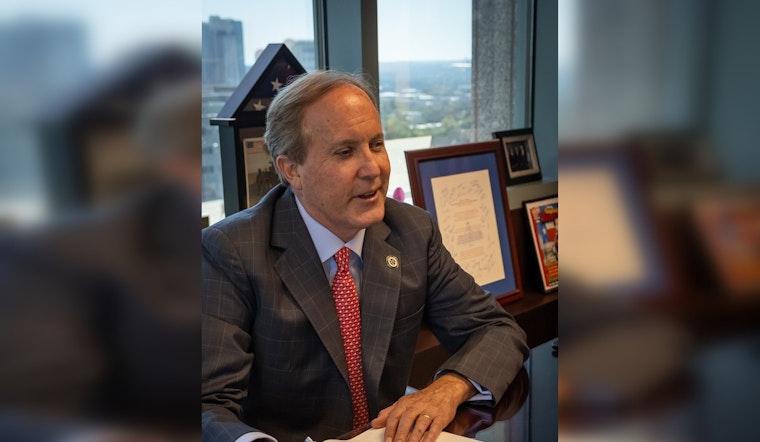
Attorney General Ken Paxton is pressing the U.S. Court of Appeals for expedited action regarding the concertina wire controversy at the Texas border. In a recent filing, Paxton outlined what he described as critical facts that challenge the federal government's narrative on the border dispute, with a focus on a tragic incident at the Rio Grande near Shelby Park.
Attorney General Ken Paxton Urges Expedited Process In Concertina Wire Lawsuit, Pointing to Major Problems With Federal Government’s Claims: https://t.co/UsQZz1RGEP
— Texas Attorney General (@TXAG) April 10, 2024
The filing details district court discoveries, which found that the tragic deaths of three individuals by drowning in the Rio Grande on January 12 preceded any involvement of the Texas National Guard or Department of Public Safety. The administration had previously suggested that Texas's control over Shelby Park had hindered rescue efforts. With the tragic deaths having happened before the federal government contacted Texas officials, pointing fingers at Texas seems misplaced.
According to a statement from Paxton's office, "In this letter, Texas demonstrated that the Biden Administration made extremely misleading claims at the Supreme Court of the United States about Texas’s border security actions." He also criticized many news outlets for amplifying "false claims to blame Texas for deaths that occurred at an illegal border crossing in the Rio Grande."
Paxton argues that these findings discredit the stories that pinned Texas as responsible for failed "emergency river operations." His narrative insists while the federal government's immigration policies have caused a national crisis, Texas has been fiercely committed to maintaining order. "That narrative that has been completely disproven. While Biden’s open borders doctrine has created a nationwide immigration disaster and untold suffering, Texas is doing everything we can to uphold law and order," Paxton's office relayed.
With the Attorney General's office pushing for an accelerated legal process, this case has rapidly become a focal point in the larger debate over border security and immigration policies. As the court considers the urgency of Paxton's requests, the implications of its findings continue to ripple through the political landscape, seeming to redefine the battle lines in the enduring conflict over America's southern border.





