

























































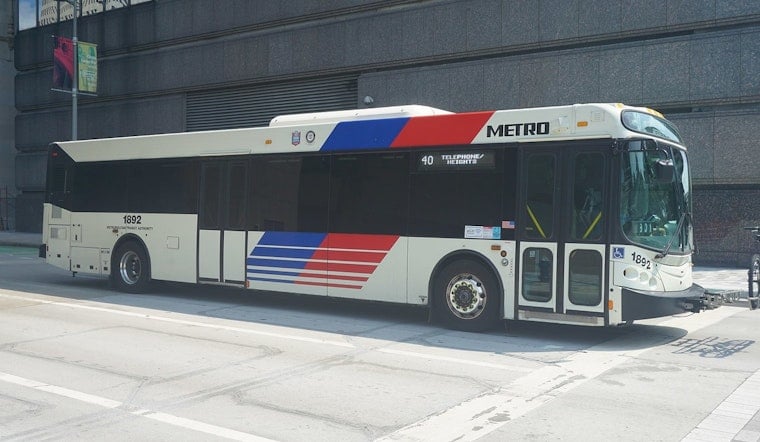
Houston's Metropolitan Transit Authority's pledge to transition exclusively to zero-emission buses by 2030 is hitting some serious roadblocks. Interim CEO Tom Jasien stated, "2030 is going to be very difficult to adhere to," according to a Houston Chronicle report. Meanwhile, in a move that seems to backpedal on their aspirations, the city's transit officials are rolling out 100 new diesel buses in the coming months to maintain service reliability.
Despite the commitment, there has been a slew of issues, including delays on their initial order of 20 electric buses and slow development of alternative technologies like hydrogen and recycled natural gas. The reality is that Metro is caught in a technological pinch; they need to significantly ramp up infrastructure for electric options and work with a market where only one manufacturer is set to produce electric buses domestically. "Their basic ability to deliver and have the kind of buses and production we would need would have to go up astronomically," Jasien told the Chronicle.
Getting closer but still far from reaching their emissions goals, Metro has been forced to buy more conventionally-fueled buses – 50 new park-and-ride and 50 local transit routes buses. These buses are set to replace older models and come equipped with up-to-date technology, making them cleaner than their predecessors. However, the situation is far from ideal for an agency set on carbon neutrality.
In a somewhat silver lining, a $40.4 million grant from the Federal Transit Administration was recently awarded, earmarked for the purchase of compressed natural gas buses—a step up from diesel but still a compromise from the zero-emission goal. METRO chairman Sanjay Ramabhadran reasoned this blend of energy sources as a necessity, particularly when natural calamities hit and threaten power supplies, saying, "And so, having a mix of fuel is important to the region because what we don't want to have is the situation when a hurricane hits and we lose power, and we only have electric buses," in a statement obtained by Houston Public Media.
Other Texas cities are also tapping into Federal Transit Administration funds to improve their fleets, with both Beaumont and Conroe slated to acquire new compressed natural gas buses. While not the zero-emission ideal, these buses will help Texas combat increasing days of poor air quality and wildfires by slashing harmful emissions into the skies, as observed by Paul Kincaid of the Federal Transit Administration in a statement to Houston Public Media. The state of Texas is receiving $193 million total from ten grants to move this initiative forward.





.jpg)