

























































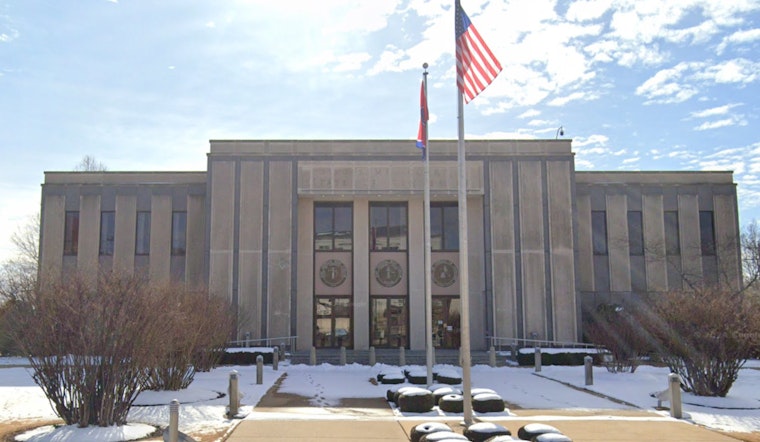
In a legal battle gripping Memphis, the city is currently appealing a circuit court decision favoring a class action suit over a staggering backlog of untested rape kits. As FOX13 Memphis reported, last year Judge Gina Higgins ruled that over 10,000 victims could band together to sue the City of Memphis for neglecting to test rape kits dating from the 1980s through to 2012.
The appeal heard on Tuesday centers on two cases, "Johnson et. al. v. The City of Memphis" and "Janet Doe v. The City of Memphis et. al." Both cases are part of a wider scandal involving over 12,000 untested kits. In "Johnson et. al.", plaintiffs were initially awarded $1.5 million after severe emotional distress from the backlog, but the case was later dismissed when it was revealed their kits were tested soon after their assaults. According to the Jackson Sun, the city's lawyer, Jon Lakey, has argued that the class needs to be better defined before it's certified, hinting at the complexity of the issue.
Meanwhile, activists continue to push for the establishment of a local crime lab to address ongoing backlogs and expedite processing. Executive director for the Memphis Area Women’s Council, Deborah Clubb, stated in an interview with Local Memphis, “We've got to make the state understand that this part of the state needs and must have a lab that can speed the DNA testing.”
In response to the activist calls, the Tennessee Bureau of Investigation has made strides, reducing its backlog to 477 kits as of August 2023 and accelerating testing times. Shelby County District Attorney Steve Mulroy is among the vocal proponents for a dedicated Memphis crime lab, citing the city's dire crime situation as a justification for better resources. This effort gains more weight with an impending feasibility study bill set for review in the Tennessee State Legislature.
The gravitas of these untested kits extends beyond bureaucracy and into the very fabric of justice and safety within Memphis. In the "Janet Doe" case, where a kit went untested for nearly two decades, the city maintains no foul as CODIS, a national DNA database, was not established until 2002. However, attorney Gary Smith, representing Doe, argued against the city's stance in appellee counsel. "In effect, what the city argues here under some metaphorical, theoretical pretense is that they can not be held accountable for a scandal of epic proportions," Smith told the Jackson Sun. The court's decision will play a critical role in addressing a decades-long oversight with implications for both justice and the efficacy of crime prevention in the future.




