

























































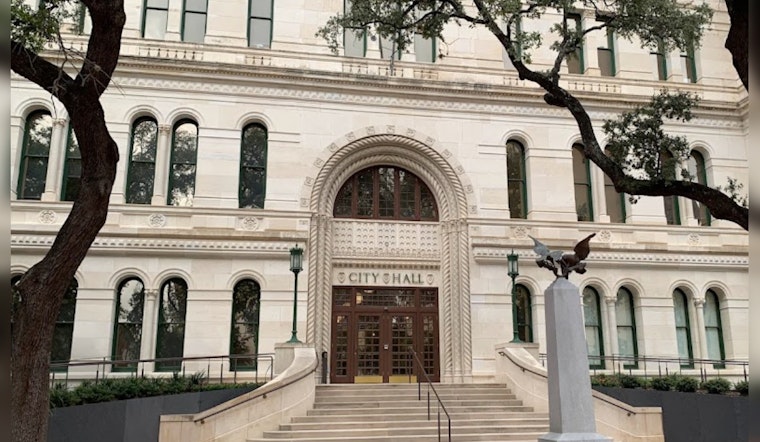
A promising initiative is sweeping through San Antonio, marking a pivotal moment for small and minority-owned businesses aiming to secure a larger slice of the city's hefty contracting pie, valued at over $4 billion in 2021. According to a report by the San Antonio Report, the San Antonio City Council is eyeing a significant move to pump resources into local enterprises with the Supply SA program. The council is expected to approve up to $162,000 for the initiative, which joins forces with 13 other public entities, all set to simplify and standardize procurement processes.
But there's another side to this coin which, trying to walk a fine line that may satisfy no one, sees the city planning to amend the policies which have actively opened doors for small, minority- and women-owned businesses. These policies have been a hotly contested topic, drawing opposition from various city council members and local business communities. This has led to the shelving of planned amendment proposals originally slotted for discussion alongside Supply SA, as noted by the same report.
Diving into the numbers reveals the sheer scale of opportunity on the table. Research from Drexel University’s Nowak Metro Finance Lab highlighted the city's and surrounding public entities' spendings surpassed $4 billion in 2021. This figure balloons to approximately $9 billion when state and federal contracts are factored in. These are stakes that can redefine economic futures for many local businesses.
The collaboration fueling Supply SA is extensive, with heavyweights like Alamo Colleges, University Health, Port San Antonio, and CPS Energy expected to greenlight funding for a projected two-year, $608,000 operational budget. Spearheaded by UTSA, which will use a chunk of the funds to establish a procurement hub and recruiting navigators to guide businesses through the contracting maze, this investment seeks to revamp the local procurement landscape. The San Antonio Report's coverage details the broad gamut of goals, from procedure standardization across entities to more robust access to capital and bonding capabilities.
The debate over the city's Small Business Economic Development Advocacy (SBEDA) program rages on, with the latest study showing over 50% of the city's contracting dollars went to minority- and women-owned businesses—a significant uptick from the previous five years. Despite these numbers, proposed amendments seem poised to narrow the scope of the program, causing uproar among advocacy groups and policymakers, as per the San Antonio Report's findings. The Fair Contracting Coalition, in particular, has been vocal, with co-lead La Juana Chambers Lawson stressing that "tremendous disparities still exist," pointing to an egregious inequity where African American, Asian, and Native American women-owned businesses received no spending from the city.
Amidst the contentious climate, major federal investments through acts like the Bipartisan Infrastructure Act and the Inflation Reduction Act signal an oncoming wave of dollars into Texas. Representative Joaquin Castro, spotlighting the importance of these developments, told the San Antonio Report, "As this money reaches San Antonio, our public entities need to be intentional about building procurement channels that give small businesses the chance to compete for publicly funded contracts."
The San Antonio Report indicated that tackling procurement challenges remains at the playbook's fore, aiming to unify fragmented systems and leverage supplier diversity as an economic growth engine. San Antonio could become a shining beacon, as Castro envisions, setting a national precedent for inclusive procurement that not only creates jobs but fosters community wealth.





