

























































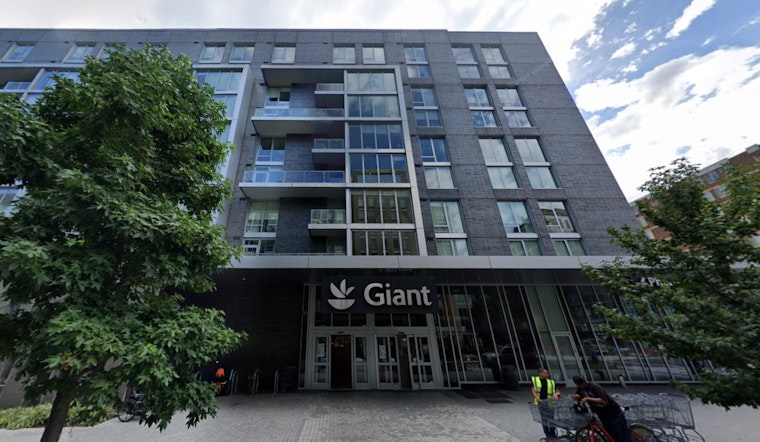
Giant Food has tightened its grip on store security by banning bags larger than 14"x14"x6" at select D.C. locations, a move aimed at clamping down on the surge of shoplifting incidents plaguing its stores. According to a DC News Now report, the grocery chain cited "unprecedented levels of product theft" as the catalyst for the new policy, which started rolling out on May 23.
Caught off guard, shoppers were met with entrance signs explaining the restrictions, with some required to leave their oversized bags at the front, others, opted to shop elsewhere, "They can go to hell. If I got one, imma take it in," one disgruntled customer told NBC Washington, expressing disdain for the new anti-theft strategy.
The move by Giant Food aligns with broader measures taken by other grocery chains facing similar challenges, as reported by Fox 5; Harris Teeter has also barred large bags and Safeway now demands receipt scans prior to store exit. These new policies have sparked mixed reactions among the public, with some shoppers expressing understanding while others, like Tom McVey, argued to Fox 5, "I don’t know, I feel like all these policies, they generally just hurt normal people, like, who are not going to steal anyway."
Giant Food's bag ban underscores a national trend of increased violence associated with retail crime, a harrowing reality underscored by a fatal November 2022 incident at an Oxon Hill Giant where an altercation between an alleged shoplifter and a security guard resulted in both individuals' deaths, detailed by NBC Washington. The corresponding statement from the grocery chain delineated the multifaceted nature of the issue, "The retail theft we are experiencing across our market area is a problem that affects everyone...It limits product availability, creates a less convenient shopping experience, and, most critically, puts our associates and customers in harm’s way," a sad testament to the current climate of retail operations.




