

























































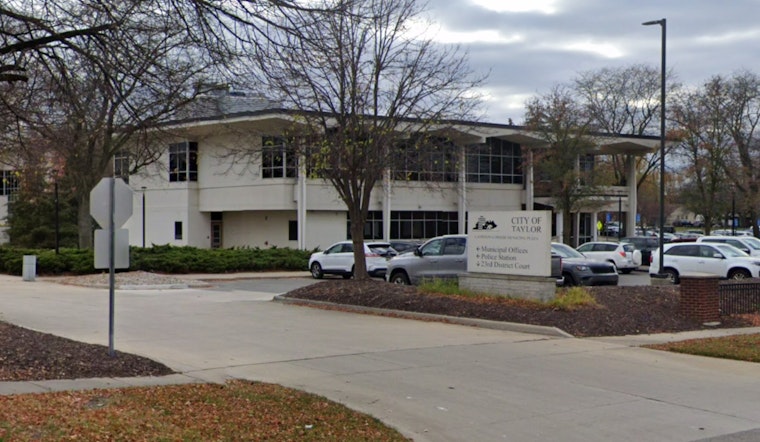
In a major crackdown on child exploitation, the Taylor Police Department in Michigan has made headlines by wielding high-powered technology to nab seven suspected predators, including a local high school teacher. The operation, a joint effort with Homeland Security, used undercover chats and an advanced camera surveillance system to track and apprehend the accused individuals.
According to FOX 2 Detroit, Taylor police collaborated with Homeland Security where officers posed as minors online. They utilized the Flock camera system, which monitors and sorts through vehicle traffic, to identify and intercept the suspects' vehicles en route. "This system is locating wanted people, bad people, in society. And it’s giving us another set of eyes," Lt. Jeff Adamisin of the Taylor Police Department told FOX 2.
The sting, which spanned from April 24-26, led to arrests on various charges related to child exploitation and prostitution, The Detroit News reported. The suspects included Venezuelan nationals Johnathan Alejandro Guiterrez-Aguilera, 24, and Joseu Rafael Semprum Bolivar, 18, accused of transporting individuals for prostitution, along with others charged with child sex abuse activity.
In the wake of staffing shortages, Taylor PD has embraced advanced "Falcon" cameras with license plate readers to extend their surveillance capabilities, a move considered a game-changer by law enforcement. "We've had multiple armed robbery suspects identified and arrested due to the Flock LPRs," Adamisin stated in an interview with CBS Detroit. The cameras, which cost the city approximately $150,000, have become essential tools in keeping the community safe while managing limited personnel resources.
The inclusion of such cutting-edge technology has prompted discussions on privacy and the potential for misuse. In response, Taylor's policy requires the department to discard non-evidence LPR data after 30 days. Such policies have been instituted to prevent misuse, however, as former Taylor City Councilman Butch Ramik explained, "We were told these would only be used by the police department for investigations, and that the information would not be kept," highlighting the balance between effective law enforcement strategies and civil rights concerns.





