

























































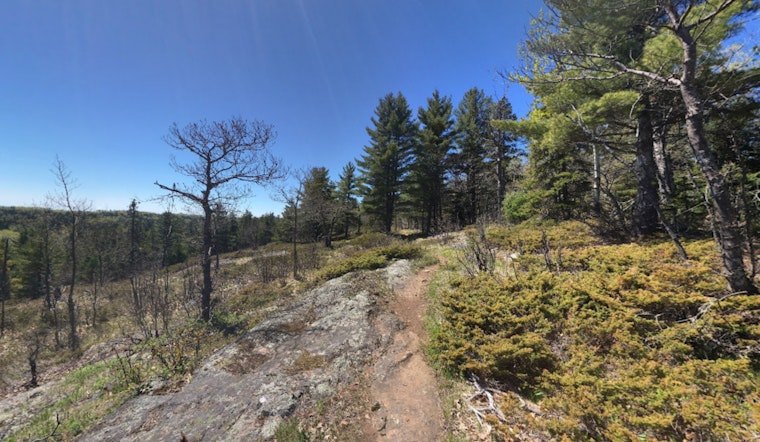
Three men from Michigan are facing federal charges after allegedly starting an illegal campfire that led to a wildfire on Isle Royale National Park, officials announced. Dylan Kenneth Wagner, 29, Jason Arden Allard, 28, and Scott Warren Allard, 30, have been charged with one count each of lighting, tending, or using a fire causing damage to real property and one count of violating conditions established by the park superintendent, as reported by The Detroit News.
According to authorities, the incident occurred on Aug. 12, 2022, when the men camped too close to the trail, violating park rules. Their actions purportedly caused a public safety hazard, and the wildfire burned six acres, requiring extensive efforts to extinguish, as detailed by MLive. The fire was significant enough to prompt evacuations from nearby campgrounds.
Isle Royale National Park is a remote cluster of islands in Lake Superior known for its wilderness and protected ecosystem. U.S. Attorney Mark Totten emphasized the importance of safeguarding this environment, stating, "These alleged crimes threatened the safety of park visitors, employees, and the ecosystem that sustains a rich diversity of life. We're committed to protecting Isle Royale National Park and Michigan's other national treasures for all to enjoy - today and for generations to come.", in comments obtained by CBS Detroit.
The charges the men face could result in up to six months in prison, a $5,000 fine, mandatory probation, and up to five years of probation. Details from the National Park Service and court records revealed that the fire initially spotted on the night of Aug. 12, necessitated the assistance of firefighters and a single-engine air tanker from Minnesota, which dropped thousands of gallons of water from Lake Superior to contain the blaze, according to MLive.
Ongoing legal proceedings continue. As the investigation by National Park Service officers revealed, the risk to public safety and the potential for property damage is significant, reaffirming the stringent measures in place to protect Michigan's natural landscapes.



