

























































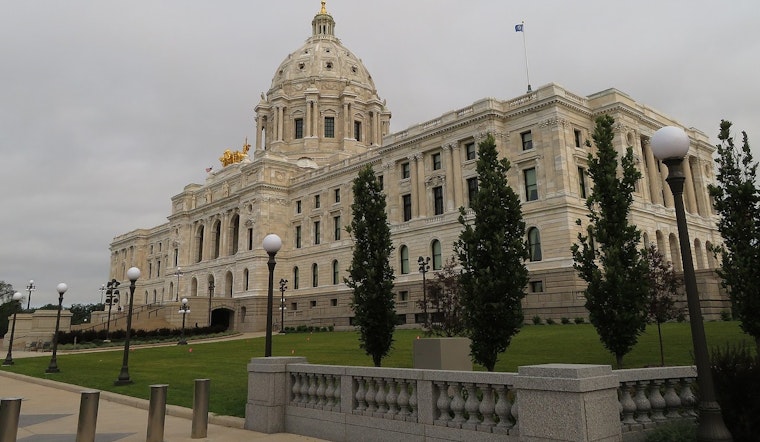
In a notable effort to safeguard consumers from undisclosed fees, Minnesota Senator Lindsey Port has led the successful passage of a bill targeting hidden "junk fees". The bill, known as HF 3438, gained notable bipartisan support as it cleared the Minnesota Senate with a vote of 41-24, signaling a collective effort to bring transparency to the marketplace.
Senator Port's initiative is set to radically alter the way businesses disclose their prices in Minnesota, with the new legislation aspiring to fully unify the presentation of costs upfront. HF 3438 obligates companies to reveal the complete price of their goods or services, embedding all mandatory fees from the get-go. A strong message has been sent to curb the prevalent practice of adding misleading "convenience" or "service" fees that consumers often encounter at the tail end of a transaction. This measure was built upon the shoulders of various discussions with those deeply embedded in the trade, from consumers up through the ranks to industry magnates and political leaders. It is these conversations that molded the legislation into the consumer-friendly shape it has taken.
"By passing this anti-junk fee legislation, we are standing up for Minnesotans who expect honesty and transparency in their economy," Senator Port explained, as reported by senatedfl.mn. The senator's objective is to build a market where consumers can rely upon the prices they see initially, to closely reflect the final price they will, indeed, pay. The move is also aimed to benefit tipped workers and small business owners, leveling the playing field against larger corporate entities.
This legislative stride comes in the wake of the House passing the bill on April 11 with a narrower margin of 70-61. As the bill moves swiftly to a conference committee, it carries the promise to emerge as a palpable shield against the obscure levying of fees which, as yet, surface too often to the chagrin of the unwitting consumer. Senator Port's bill stands as a testament to a government seeking to fully ensure that its constituents are no longer subjected to such fiscal sleights of hand. It's a change that could, very well, echo beyond the borders of Minnesota.





