

























































The concept of composting, while a current buzzword in conversations about sustainability, is hardly a newcomer to the game of recycling. Tracing its history back centuries, composting has been a natural process where organic waste is transformed into a nutrient-rich soil amendment. In a fresh twist on an age-old practice, city-dwellers are now taking notes from nature on how to deal with the issue of food waste, and they're looking at critters like the Australian Brush-turkey and even earthworms for inspiration. After all, it's a common fact among green thumbs that composting worms are downright fanatic about their watermelon snacks.
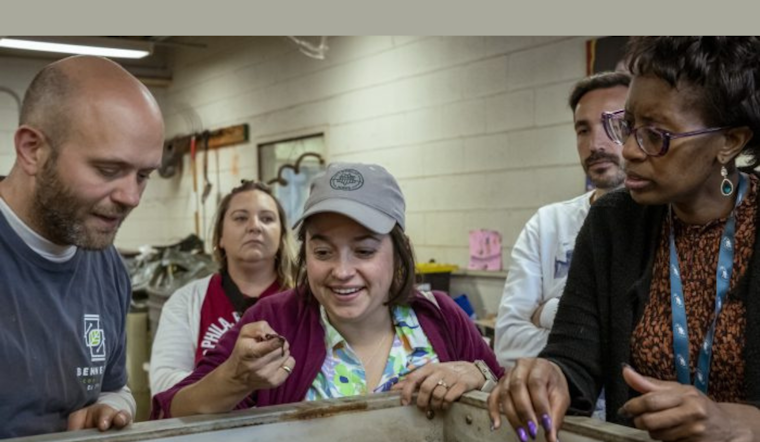
In a move that marries past lifestyles with contemporary urban initiatives, local parks, and recreation departments are teaming up with companies like Bennett Compost. Having set up shop in an otherwise vacant building on park property, Bennett Compost strides forward in reducing food waste by processing over 250 tons annually, according to the City of Philadelphia. This synergy not only tackles the issue of food waste but also provides a fertile ground for green jobs—which, let's face it, are often undervalued even in today’s economy.
What many don't realize is that the heat from compost piles can skyrocket to over 140 degrees Fahrenheit and that fresh worm castings, endearingly called “black gold,” are coveted in gardening circles for their soil-enrichment properties. Interestingly enough, the fame of composting even extends to historical figures such as George Washington, who was quite the advocate of organic soil enrichment. It seems that modern sustainability efforts are simply following the compost trails of our forefathers.
According to the City of Philadelphia, composting isn't just about providing a second life to our kitchen scraps and fallen leaves; it extends its benefits to preventing soil erosion, conserving water, and enriching soil with nutrients without the helping hand of synthetic fertilizers. In addition, let's not overlook its role in cutting down the methane emissions from landfills—a far cry from the garbage heaps that contribute substantially to climate change. Moreover, for those who are intrigued by the process and want to learn more, Bennett Compost opens its doors to the public for tours every fourth Thursday of the month.





