

























































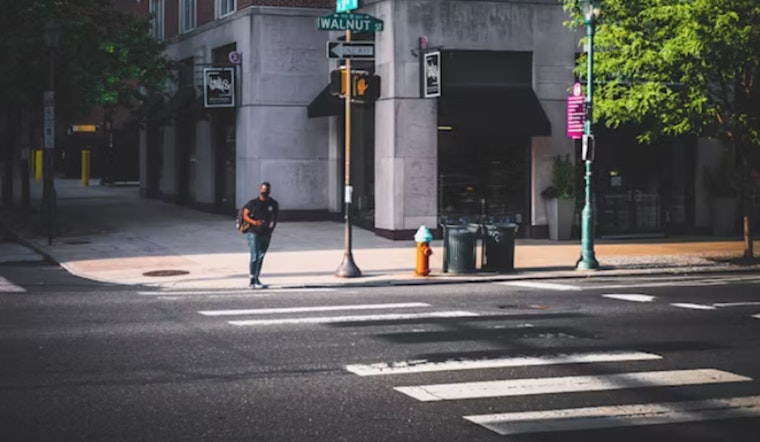
The streets of Philadelphia are set to get a major safety upgrade thanks to a hefty investment from the Shapiro Administration and the Pennsylvania Department of Transportation (PennDOT). The city has been awarded approximately $7.3 million to enhance community infrastructure and pedestrian accessibility, aiming to make Philly a safer place to walk and cycle. This financial boost comes through the Surface Transportation Block Grant program's Transportation Alternatives Set-Aside (TA Set-Aside), which has earmarked funds for a variety of safety improvements across the city.
Improved access to public transport, green trails and a focus on safer routes for school kids form the core of this multimillion-dollar initiative. "We are proud to secure these grants which will fund infrastructure upgrades and enhance pedestrian safety around our city – creating a safer Philadelphia for all," said Mike Carroll, Deputy Managing Director for the City’s Office of Transportation and Infrastructure Systems (OTIS), in a statement relayed by the city's official website. To indeed help ensure PennDOT's money is well spent, projects have been strategically picked based on their ability to provide safety, integrate with current infrastructure, and benefit communities that are often overlooked.
Specific projects, as detailed on Philadelphia's government website, include $1,250,000 for traffic calming devices around Logan Elementary, a $1 million uplift for Woodlands Driveway that includes a two-way cycle track, and a $1.5 million extension of the Cobbs Creek Trail, connecting various community points. Another major slice of the funding – $1.5 million – is aimed at bus bump outs to improve public transit efficiency, along with $300,000 set aside for traffic safety education tailored for special education students.
Additional funds will also go towards rehabilitating the asphalt trail on Belmont Avenue, providing a beacon of connectivity and access for communities within and around Fairmount Park. As per the announcement of Philadelphia's government, the selection process for these projects was rigorous, with a competitive pool of 137 applications vying for a slice of over $165 million. These projects were chosen with careful consideration to maximize safety benefits, cost-effectiveness, and to robustly have a positive impact on underprivileged communities.
With a city as bustling and diverse as Philadelphia, ensuring that every pedestrian can navigate its streets safely is paramount. This becomes even more critical in areas of high equity concern, where infrastructure improvements can provide much more than just a safer commute; they can empower and uplift entire neighborhoods. These improvements are not just about laying down concrete and painting crosswalks, they're about crafting a city that's accessible and equitable, one step at a time.





