

























































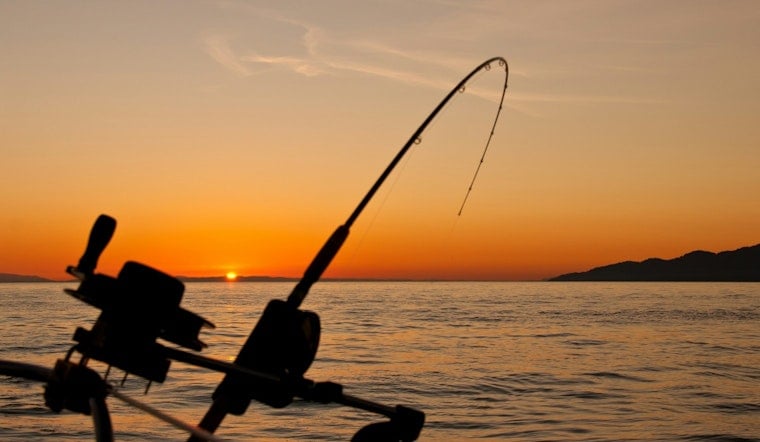
Calling all anglers – it's time to reel it in on the Nooksack River. In a move to shield struggling fish populations, the Washington Department of Fish and Wildlife (WDFW) has issued an emergency closure on all fishing in the river, spanning from the Lummi Indian Reservation boundary right up to Nooksack Falls. Effective May 25, these waters will be off-limits to fishers until July 31 or even September 30, depending on the river section, with conservationists citing the need to protect species such as spring Chinook and wild steelhead. For in-depth closure specifics, visit WDFW's emergency regulation page.
The timing is crucial as these dates align with the breeding cycles of these at-risk fish, this closure is intended to give them a respite from the hooks and lines that might otherwise further threaten their numbers which are already hanging on a precarious thread; Details published by WDFW on May 21st frame the closure as a necessary step for these vulnerable aquatic inhabitants, who face ongoing pressures from habitat degradation to climate change. And while local fishermen may feel the sting of this restriction, the health of the river's ecosystem hangs in the balance - a fact that's hard to ignore even with a tackle box full of disappointment.
Breaking down the closure, it includes fishing along the mainstem of the Nooksack River from the boundary of the Lummi Indian Reservation to the union of its North and South Forks, and for those keeping track, every fork in between is included as well. From the Highway 9 Bridge to the cascading Nooksack Falls on the North Fork and from mouth to the retired Bellingham diversion dam on the Middle Fork, not to mention the South Fork's span from mouth to Skookum Creek – all segments are joining this fishing hiatus.
While the shuttering of the Nooksack to fishing might be a tough pill to swallow for the rod-and-reel crowd, the WDFW maintains that it's a critical measure for the well-being of local fish populations, especially with the spring Chinook and wild steelhead in dire need of a break from the stressors that have eroded their numbers over the years; it's a conservation effort that’s about ensuring generations of both fish and fishers to come - a hallmark of responsible stewardship over Washington's natural heritage.





