

























































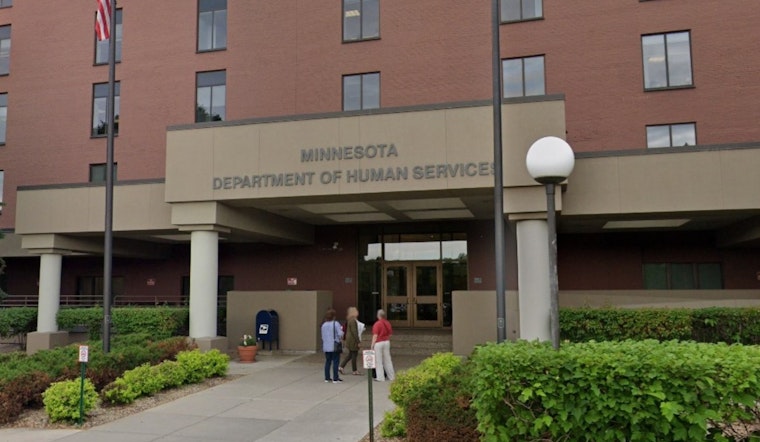
Minnesota's battle against the opioid crisis ramps up with a fresh infusion of over $20 million in grants. The Minnesota Department of Human Services announced the bold funding measures intended to expand treatment capacity and preventive resources, focusing on the acute threat posed by fentanyl and opioid addiction. "Everyone who needs treatment for opioid use disorder deserves access to high-quality, culturally relevant care," Commissioner Jodi Harpstead stated, as the state's Opioid Epidemic Response Advisory Council earmarked the funds for 28 diverse grantees.
As Minnesotans brace for the long summer days, Governor Tim Walz has unveiled the Summer Electronic Benefit Transfer (EBT) program, poised to extend a lifeline to low-income families with school-aged children. Nearly half a million children in the state stand to gain from an initiative set to pour an estimated $100 million in food benefits between 2024 and 2025, the U.S. Department of Agriculture estimates. "The end of the school year should not mark the start of food scarcity," Walz declared, aiming to bridge the seasonal nutrition gap with a $120 per child provision.
In a parallel push to tackle critical social issues, Walz announced a hefty $100 million earmarked for homelessness programs, distributing funds across 135 organizations statewide. The Minnesota Homelessness Initiative's far-reaching plan prioritizes street outreach and shelter availability, ensuring that aid reaches every corner of the state's 87 counties. "Housing is one of the most foundational human needs," Walz emphasized, addressing the crucial need for resources in both the Twin Cities metropolitan area and Greater Minnesota.
Meanwhile, DHS has taken to social media to shine the spotlight on foster families, lauding their contributions during Foster Care Appreciation and Awareness Month. At a May 1 event, the St. Paul Saints Baseball team celebrated foster families by granting them free tickets and prizes. DHS is also calling for nominees for the Commissioner's Award by June 7, a recognition for the unsung heroes in human services.
Moving beyond family support, DHS is actively seeking input on its child support program. A survey is underway until June 7, as the department aims to tailor the program to better serve children and families. In more legislative progress, Gov. Walz was reported to have signed a bill that fortifies the state's commitment to children's welfare, notably raising barriers to foster care admissions. Additionally, initiatives like Metro Move promise to enhance transportation for Minnesotans with disabilities, enhancing their mobility and independence.
As Minnesota grapples with complex social issues, from combating drug addiction to ensuring nutrition and shelter for its residents, the state is exhibiting an impressive mobilization of resources and community-focused legislation. For the full download on these initiatives, you can find additional details by visiting DHS announcements.





