

























































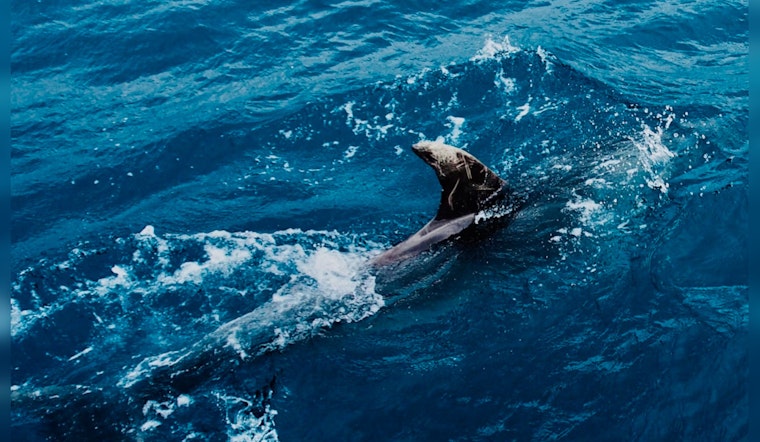
A vacation to Galveston beach turned harrowing for Damiana Humphrey, a 19-year-old tourist from Oklahoma, who was bitten by a shark while wading in the waters. The attack occurred on May 28 and resulted in severed tendons in Humphrey's hand which required surgery; despite the injury, she is expected to recover with physical therapy, as reported by FOX 26 Houston.
The young vacationer recounted the sudden encounter, saying "As I was turning, a shark grabbed a hold of my hand. I looked down and there was a shark attached to my hand, so I guess I started punching it," Damiana Humphrey told FOX 26 Houston, elaborating that the events during the attack were somewhat unclear to her, the experience in aftermath it left her unable to perform her job as a patient care technician for the summer. Galveston Beach Patrol Chief Peter Davis noted that such incidents are rare at Galveston Beach, emphasizing that with eight million visitors annually, shark bites are infrequent events, often mistaking humans for other prey.
Statistics reinforce the rarity of shark encounters in the area, with only 19 recorded bites off the Galveston coast since 1911, compared with Florida's 928 in the same period, according to the Chron. Experts from the Sportfish Center at Texas A&M University-Corpus Christi and the Texas State Aquarium highlight the presence of several shark species in the waters, indicating a healthy population that remains generally disinterested in humans as prey.
With summer inviting more people to plunge into the ocean, the chance of encounters with marine wildlife, including sharks, can increase but Jessie Gilbert, CEO and president of Texas State Aquarium, advised beach-goers to avoid entering waters around dawn or dusk when sharks are most active and Mark Fisher, director of Texas Parks and Wildlife Department’s Coast Fisheries Division, added that bites sometimes occur when humans inadvertently find themselves amidst feeding sharks, as they "sometimes, we just get in the way," Mark Fisher told Chron. To mitigate risk, experts suggest shuffling feet in the sand to ward off sharks, avoiding swimming near where rivers meet the ocean, staying clear from schools of fish, and ensuring one is not bleeding before entering the ocean.



