

























































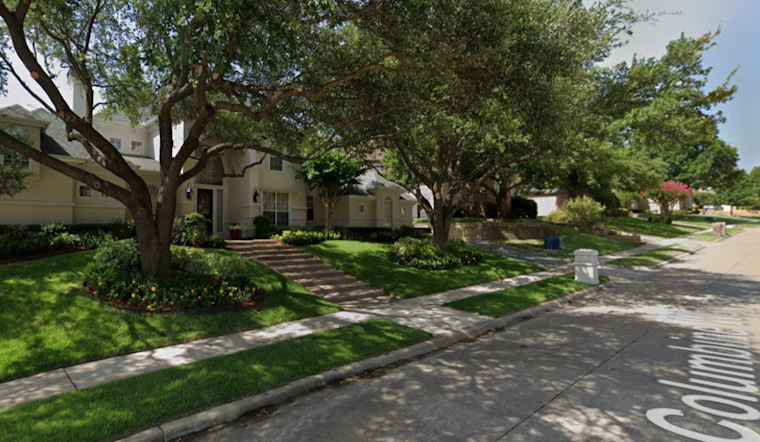
Plano police were called to a residence on Columbine Way on June 12, where they found themselves responding to a swatting call—a hoax meant to draw a significant law enforcement presence to a particular location. In a post on their official Facebook page, the Plano Texas Police Department stated that at about 9:00 a.m., the prank led to a substantial police response, a situation that can detract from actual emergencies and compromise public safety.
Swatting is recognized by authorities and community stakeholders alike as a hazardous incident that unfairly burdens victims and law enforcement. The phenomenon has to quickly evolve to be acknowledged as not just a prank but a serious criminal offense with the capacity to instill fear and trauma. Police officials used the episode to emphasize the stress such false alarms can exert on the relationship between the police force and the community they serve. They reminded the public that such misallocated resources come at a cost, sometimes diverting attention away from those in genuine need of help.
The department, having determined the event was indeed a hoax, issued gratitude towards the family involved for their cooperation. They presented a united front with the affected individuals, signaling an effort to carefully resolve the circumstances surrounding the swat to ensure accountability. Investigations into the origin of the call are underway, and the department indicated that criminal charges are a potential next step as part of the response to the misdemeanor.
The implications of swatting reach far beyond mere inconvenience. It's a deeply disruptive occurrence for those unwittingly caught in the middle. Officers often arrive prepared for a violent confrontation, and innocent residents are left to suddenly, and without a warrant, prove their innocence amid the pointing of guns and the shouting of orders. The impact lingers past the initial shock, leaving psychological scars and a sense of vulnerability long after the police have departed. Plano Police continue to diligently work to hold responsible those who choose to wrongly orchestrate such perilous scenarios.





