

























































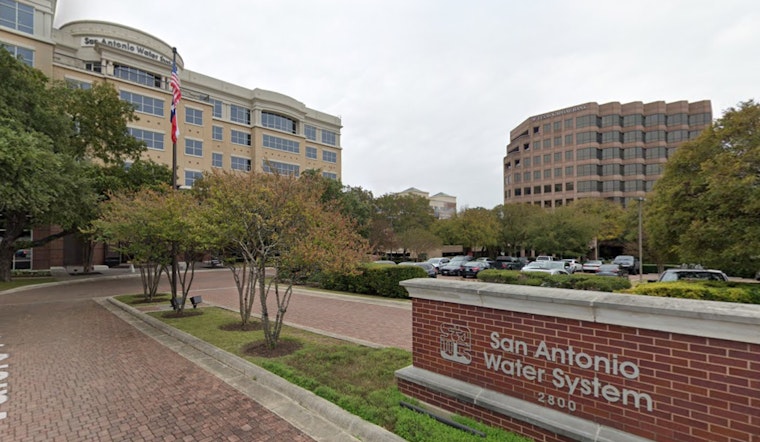
In an unprecedented move responding to a prolonged drought, the San Antonio Water System (SAWS) has initiated Stage 3 watering rules for its customers, marking the first occurrence in the utility's three-decade tenure, it was a decision reflecting escalating environmental pressures and swelling concerns over resource management in times of scarcity.
Residents of the San Antonio area must now adjust to the new mandates that restrict the operation of drip irrigation systems to a maximum of three times a week, and reframe their watering habits to the window between 5-10 a.m. and 9 p.m. to midnight on designated watering days, based on the last digit of their address, according to a report by San Antonio Report.
Hand-held hose watering remains unregulated, offering some respite from the schedules that otherwise now govern the use of more extensive irrigation. Karen Guz, SAWS Vice President of Conservation, elucidated that the new administrative approach to enforcing these rules — through added charges on SAWS bills for violations rather than through criminal citations — would establish a more "efficient and fair process" for the metro's residents.
Those reaching for the tap more frequently are set to face a high-use surcharge, particularly residential consumers soaking up over 20,000 gallons in a billing cycle after July 6 will be subject to a rate of $10.37 per 1,000 gallons for usage exceeding that volume; this price hike aims at the top 5% of water users, attempting to encourage conservation amidst persisting drought conditions, SAWS explained in the announcement and farther than that, commercial customers will also see surcharges, which will be assessed according to the size of the meter they operate with.
Simultaneously, the Edwards Aquifer Authority, the body tasked with oversight of the critical water source that provides nearly half of San Antonio's drinking supply, has also shifted back to Stage 3 restrictions. Historically, the coordination between SAWS and the Authority on Stage 3 triggers has been less than lockstep, but current environmental pressures have necessitated a closer alignment.
SAWS is taking a stringent stance on non-compliance, imposing a charge of $137 for small water users and $500 for large water users who flout the watering rules, "non-compliance charges" that escalate with subsequent violations, though a grace option exists in the form of an online education course that, if taken, waives the first-time charge for those willing to learn from their mistakes.
Residents not in agreement with the levied fines retain a means to contest through either direct communication with SAHS's conservation department, or by presenting their grievances before a citizen's committee established to resolve such disputes.





