

























































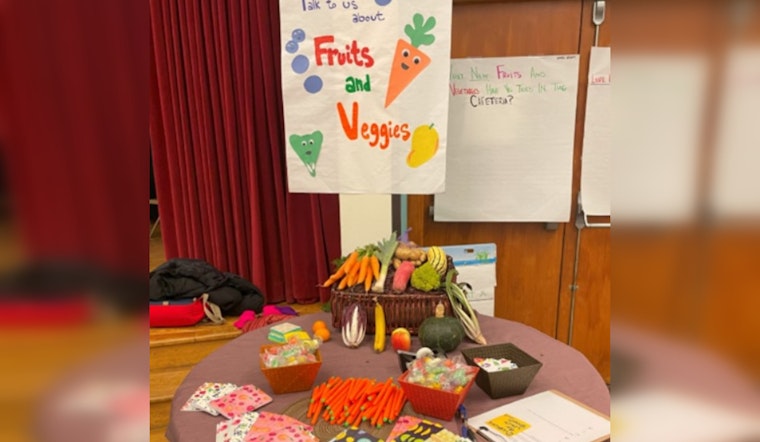
In a recent reveal by greenspace.seattle.gov, Seattle's Fresh Fruit & Vegetable Program (FFVP) has been a game changer for kids in public schools, boosting access to fruits and veggies with more than 600,000 pounds distributed since Fall 2018. With weekly snacks that include over 40 different types of produce, students get a taste of diverse cultures while simultaneously fueling their learning and overall well-being. Hunger, ever-present in the backdrop of American education, is being confronted with programs like these aiming to not just feed but to educate young mouths and minds.
The impact of FFVP can't be undermined; it's something to thoroughly reckon with. An assessment, spearheaded by Gurdeep Gill, a Food Systems Design Fellow, involved interviewing or surveying over 800 students, kitchen staff, and administrators. Gill's work, backed by a grant from Share our Strength’s No Kid Hungry Campaign, laid bare the stark reality that for some students, school "can be the only place they get fresh fruits and vegetables," according to a Seattle Public Schools Administrator.
But it's not just about unloading crates of apples and calling it a day. The program has been active in seeking feedback and making strategic moves to further entrench its value in the community. Findings from Gill's assessment pointed out the need to better communicate the program’s purpose and offerings to get students more excited about healthy eating. Consequently, enhancements are already rolling out, including providing food education books, hosting book readings with authors like Dr. Margaret Towolawi, and spreading the word with multi-language marketing materials.
It also doesn't stop at education – it’s about immersion. The program is set to deepen its roots with a one-year pilot of sensory & food education workshops at 14 schools with Nurturing Roots. It’s an attempt to not simply inform but to ingrain good food habits and knowledge in the next generation. These initiatives build upon FFVP’s significant growth in the 2023-24 school year, which saw an increased push for sourcing produce locally and from underrepresented farmers, directly benefiting over 5,500 students at 28 schools, where a substantial majority of the attendees are from low-income households.
Seattle’s push to reconcile the gap between nutrition and education is taking flight with tangible outcomes. The purposeful initiative by the FFVP is casting ripples beyond the classroom, possibly altering life trajectories with every bite of bok choy and every slice of mango delivered into the hands of the city’s youth. It's a testament to what can happen when a community invests not just in their crops, but in their kids.




