

























































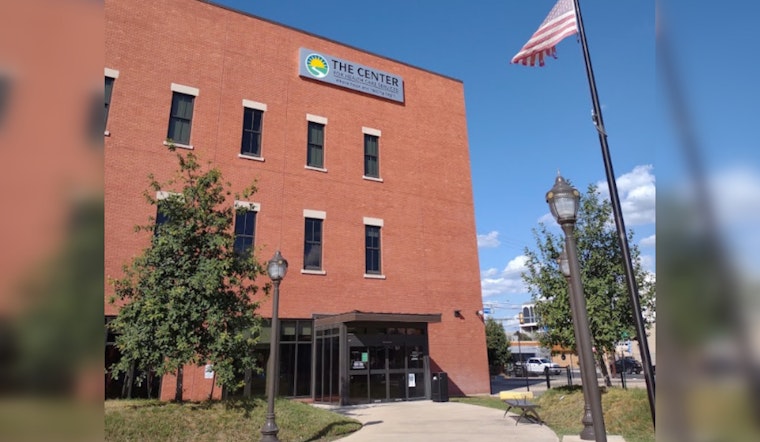
The chronic staffing crisis in Texas' caregiving sector for individuals with intellectual and developmental disabilities persists as state-managed service providers struggle to recruit and retain staff due to low wages. According to a recent report published by San Antonio Report, around 130,000 Texans are languishing on waiting lists for critical services, a figure emblematic of a system in dire need of overhaul. Caregivers in community settings earn hourly rates that only just exceed the state's reimbursement rate of $10.60, set at a rise from the previous wage of $8.11.
The wage increase, implemented by the last legislative assembly has not only proved to be insufficient but also created a disparity between community caregivers and their counterparts in state-run institutions, who now earn a minimum of $17.50 an hour. This pay gap exacerbates staffing shortages as community caregivers transition to state facilities for better pay. Jelynne LeBlanc Jamison, president, and CEO of the Center for Health Care Services, expressed regret that the state did not prioritize “this very, very vulnerable population.” despite having a budget surplus.
Community-based agencies like CHCS have attempted to address the shortage by offering a higher starting wage of $16 an hour, resulting in deficits. Kristina Malloy, a caregiver with CHCS, shared in a San Antonio Report interview how she supplements her income by taking extra shifts and delivering for DoorDash well into the night, a job that allows her to have her sleeping children in the car, as required.
In a similar vein, colleague Charlette Phillips, also a caregiver at CHCS, performs DoorDash deliveries after work for extra cash. Despite the challenges, neither is willing to leave the caregiving field, attesting to the personal fulfillment the work provides. "In all honesty, for what we do, no dollar amount can suffice," Phillips said. Yet Justin Botter, vice president of long-term care with CHCS, has emphasized that being mission-driven does not justify underpayment.
Caregiver shortages continue to be a pressing issue as agencies depart Texas due to insufficient reimbursement rates, leaving clients in flux. Advocacy efforts persist with coalitions like Time to Care petitioning state lawmakers for emergency increases of caregiver wages to $15 an hour, citing the corrosive impact of inflation on current rates. Despite the challenges and the lack of a guaranteed wage increase, community caregivers remain dedicated to the cause, even amidst personal financial struggles and industry turmoil.





