

























































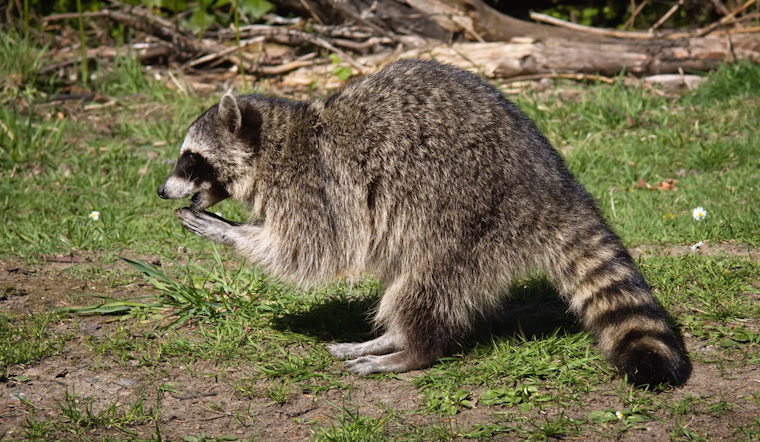
Starting this Thursday, August 1st, Allegheny County in collaboration with the U.S. Department of Agriculture's Wildlife Services will be kicking off their annual Raccoon Rabies Vaccination Program. Teams will blanket all 130 municipalities with over 300,000 baits aimed at preventing and managing the spread of rabies among the local raccoon population, as detailed by Allegheny County's official announcement.
The ambitious five-week campaign, expected to conclude by the end of August, will begin bait distribution on foot from August 5th to August 9th and continue through the rest of the month using low-flying aircraft, including helicopters and planes, despite this being a regular occurrence, some residents might find it odd or even cause for concern, with a regimen featuring not just terrestrial but also aerial strategies, to ensure the vaccine reaches deep into raccoon habitats. Jamie Sokol, the program coordinator, highlighted the importance of Allegheny County's contribution, informing Allegheny County's website that "currently, raccoon rabies is primarily present in the eastern part of the country," and stressing the initiative's role in containing the disease's spread.
Baits used in the vaccination program enclose a liquid rabies vaccine in a fishmeal or vanilla-flavored coating, which is designed to appeal to raccoons, and it's predicted that most of the baits will be consumed promptly within a five-day window after their dissemination. The Health Department has expressed that while baits are non-toxic, human contact with them should be avoided, advising those who encounter baits to wash the area thoroughly with soap and water, and if a rash develops, seek medical assistance.
To potentially report contact with rabid wildlife or for more information regarding the initiative, residents can visit the website or contact the Health Department.





