

























































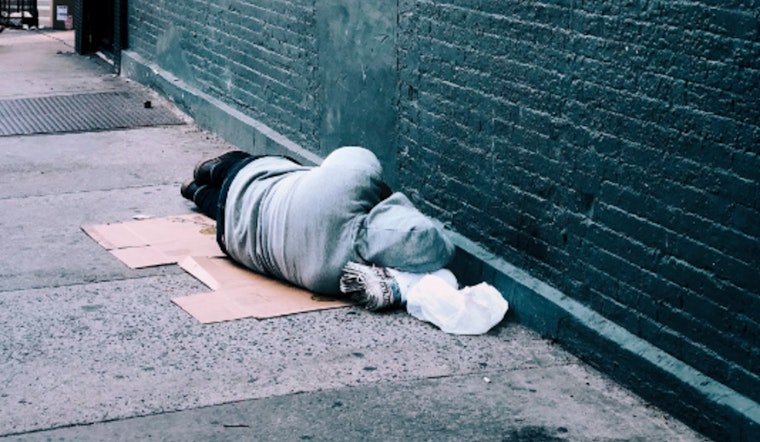
As Houston grapples with the complexities of homelessness, recent developments have shed light on the city's ongoing struggle to balance a declining homeless population with a rising number of deaths among those without a home. The University of Houston's inaugural report on homeless mortality, led by Clinical Assistant Professor Ben King, found that 2022 witnessed nearly 250 deaths among the homeless, a stark contrast to the fewer than 50 recorded deaths in 2011, according to the Houston Chronicle. This increase has come despite a more than two-thirds reduction in Houston's homeless population, emphasizing the perilous nature of homelessness in the area.
Amid this alarming rise in mortality, the factors contributing to these untimely deaths have also undergone a shift, with drug overdoses, particularly opioids like fentanyl and methamphetamine surging forward as the leading causes while, alcohol and cocaine previously topped the list, the trends have certainly shifted with the opioid crisis tightening its grip on vulnerable communities, something Ben King highlighted when he told the Houston Chronicle, "What hit the east and west coasts over a decade ago is now hitting Houston."
Another recent assessment, the Point-in-Time (PIT) survey conducted by the Coalition for the Homeless of Houston/Harris County, revealed a modest uptick in homelessness rates locally, a deviation from the national average which saw a significant 12% increase from 2022 to 2023, as reported by CW39. The PIT Count, an annual endeavour held on January 22, found that 3,280 people are experiencing homelessness, a number essentially stagnant from the year prior.
Despite the complexities surrounding these issues, Ana Rausch, Vice President of Program Operations at the Coalition, credits the organization's shift towards securing permanent housing rather than temporary fixes for the minimal increase in homelessness, further noting that lifting COVID-19 restrictions has allowed for a decrease in unsheltered homelessness, yet she cautioned, "We’re worried that at the end of this year, the pandemic money is going to run out,” indicating a potential funding shortfall threatening the progress made, as CW39 reports, Rausch hopes city leaders will respond by identifying new financial support mechanisms to sustain their work in housing the homeless.





