

























































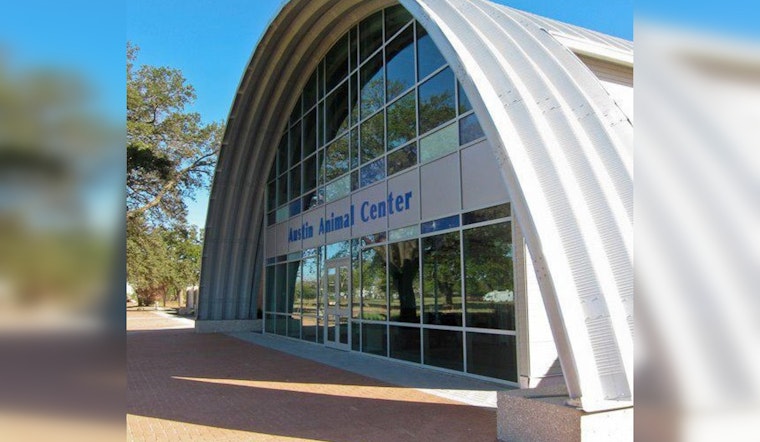
The Austin Animal Center (AAC) is once again closing its doors to incoming animals due to a sustained influx that has left the shelter at crisis capacity. AAC stated that starting Tuesday, July 2, intake will only be open for emergencies, including animals with life-threatening conditions or those posing a safety risk, Chief Animal Services Officer Don Bland said. “This has been an ongoing pattern that has led to us having more animals than we have kennels. We started [Monday] morning with 24 dogs and five cats without an appropriate kennel.”
Adoptions and reclaim services remain available seven days a week from 11 a.m. to 7 p.m., with adoption fees waived in an effort to encourage the community to open their homes to a pet in need. In an effort to manage their overwhelming numbers, AAC has placed 24 dogs in boarding at a significant weekly cost, the strain on resources compounding an already tense situation for the shelter. Moreover, the shelter has started an urgent placement list, prioritizing dogs that need homes the most.
Meanwhile, FOX 7 Austin reported that the AAC's close partner, Austin Pets Alive! (APA!), is also grappling with overcapacity. APA!'s CEO and President Ellen Jefferson commented on the gravity of the circumstance, "We've already exceeded that by several hundred animals. It's kind of dire right now."
Fostering and adoption have become immediate necessities, especially during holidays like the Fourth of July when animal intakes typically spike. Garza, Deputy Chief for Austin Animal Services, stressed the community's role, "We're lighting the beacons so that people can come and help us and get us into that stable, manageable, humane capacity for care." The public is also urged to be proactive if they come across lost animals by contacting 311 for an animal detection officer or scanning for a microchip, instead of directly bringing them to the packed shelters.
The burden on the community is exacerbated by last year's audit of the office overseeing AAC, where problems such as too-small cages and strained stakeholder relationships were uncovered. Don Bland told KVUE that improvements, including a finder-to-foster program, have been implemented since the audit to enhance the shelter's operations. Additionally, the public is being called upon to voice their concerns during budget hearings to ensure that the city allocates adequate funding to animal services, a plea underscored by Jefferson's remarks on the critical need for community support and advocacy.





