

























































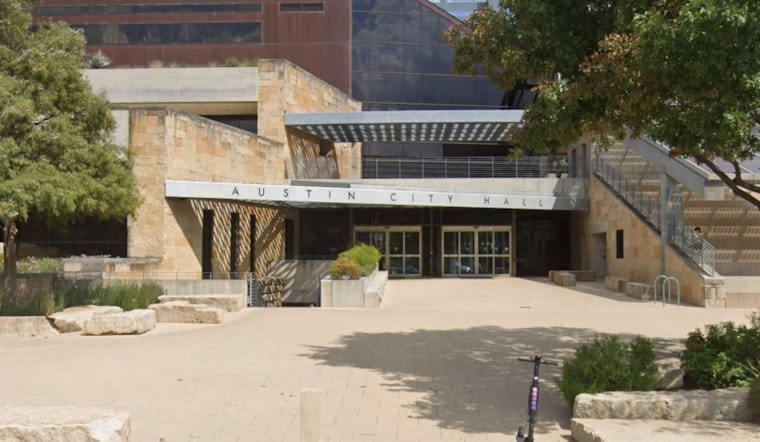
In a case that highlights the complexities and potential conflicts within the bureaucracy of city employment, an Austin city department head has filed a human resources (HR) complaint against an employee, Andrew Rivera, over social media posts criticizing city management. According to the Austin Monitor, Planning Department Director Lauren Middleton-Pratt filed the complaint, and she herself is in a position to validate and decide any potential appeal.
Rivera, a business process specialist with the city since 1996 and an employee in his current role for eight years, faced a written reprimand following an investigation into his Facebook posts. One in particular, from August 21, 2023, questioned the Office of the City Manager's reluctance to discuss a controversial telework policy in public. Carol Guthrie, the business manager for the union representing city and county workers, expressed her disbelief to the Austin Monitor about the uncommon nature of such a complaint coming from a high-level manager like Middleton-Pratt, stating, "It's not normal for someone at that level to make a complaint because they are the boss. … You counsel with the employee about your concerns."
Nevertheless, Middleton-Pratt's concern allegedly centered on Rivera's reference to a confidential memo in his social media post. The memo in question detailed a decision by City Manager Jesús Garza to not attend a Planning Commission meeting. Middleton-Pritt reasoned, in an interview with the Human Resources Department, "We hadn’t shared any information publicly at that point. That was when his personal Facebook page became a concern for me because he, in my mind, breached confidentiality. He was speaking about internal city work on his personal page," Austin Monitor reported.
The city maintains that Rivera's actions violate city policy regarding the handling of public information. According to the investigation report obtained by the Austin Monitor, "The evidence shows Rivera received the (City Manager’s Office) Response pursuant to his job duties and shared its information, which had not yet been publicly released, to make a harmful or unprofessional comment because he did not like the telework policy planned by his upper management." Rivera has since filed a grievance, alleging that the complaint and ensuing actions were rooted in bad faith and politically motivated, meant to remove him from his position.
Currently, Rivera finds himself on administrative leave, a status that came without a formal explanation. He interprets it to be a response to his conduct during a Planning Commission meeting briefing in May. As he stands advised to refrain from city business, including appealing the reprimand – his voice, and that of his representatives, remains adamant. Guthrie suggested to the Austin Monitor, "When they don’t do their job, they try to use the system against the worker and that infuriates me, and I think that’s what they’ve done here." With the situation's complexity deepening, Rivera awaits the next phase of this bureaucratic muddle, which seems to have entwined the right to free speech and the responsibilities of public service.





