

























































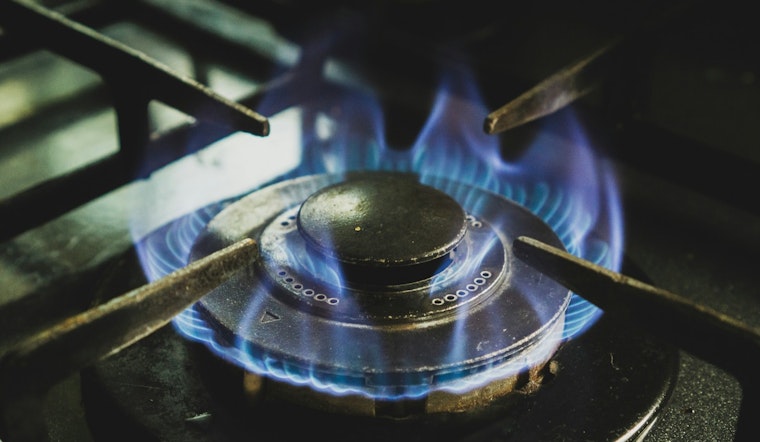
A proposed rate hike by the Texas Gas Service (TGS) may soon lead to increased utility bills for some residents in the Austin area. According to a Community Impact report, the increases, intended to take effect on July 8, were suspended by several cities—including West Lake Hills, Bee Cave, and Pflugerville—for 90 days. They are currently contesting the hike, voicing concerns about the potential financial strain on citizens.
TGS claims the rate increase is necessitated by the need to recuperate over $25.7 million in revenue losses stemming from the COVID-19 pandemic and the 2021 Winter Storm Uri. Factors cited by TGS include inflation, supply chain issues, labor shortages, and infrastructure improvements. The rate changes, if approved, would see residential customers paying an average of $6.26 to $9.53 more each month, a move that could disproportionately affect residential clients while commercial and industrial customers might see a reduction in their rates, according to the Austin Monitor.
Longtime consumer advocate Paul Robbins criticized the proposed differential rates as confusing and questioned the timing of TGS's decision to recoup lost revenues. "In 2020, they had a rate case, and the basis for that rate was set, but they could do interim annual adjustments to that. So if there was an unexpected Winter Storm Uri or Covid problem that caused rates to go up, then that would presumably have happened in the year that it happened," Robbins told the Austin Monitor. He added that the proposal for 2025 represents a 106 percent increase over the 2019 rate and about 31 percent compared to this year's rate.
The Austin Monitor has also reported that the city's Resource Management Commission is seeking to alter its ordinance to be able to comment not only on environmental concerns but also on TGS's rate-setting process. However, city staff have been accused by some, including Council Member Alison Alter, of resisting this involvement. Shane Johnson, a former member of the commission and clean energy organizer for the Sierra Club's Lone Star chapter, expressed that community engagement is crucial and indicated the organization is considering intervening in the case. "We are considering the rate hike and exploring our options to engage, but in the meantime we call on all Austinites to write their City Council member and raise your concerns about paying even more in utility costs," Johnson said.
This fall or winter, a coalition of cities plans to appeal the increase to the Texas Railroad Commission, which has the final say on the state's oil and gas industry rates. While the City of Austin is gearing up to represent the largest number of concerned consumers in the fight, history suggests any local decision could potentially be overruled by the Commission, casting doubt on the efficacy of the local governments' resistance.





