

























































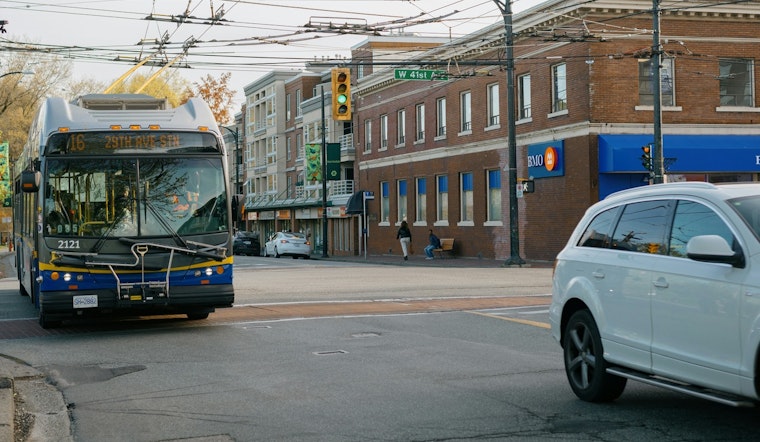
Capital Metro's aim to transition to an entirely electric bus fleet is grinding to a halt as the tech hasn't kept pace with the agency's aspirations; this pivot comes as a shock to Austin voters who, back in 2020, had greenlit a tax increase banking on a cleaner, quieter transit system through Project Connect—it turns out, progress comes with its speed limits.
Battery-electric buses have disappointed with their limited range, making a full day's journey without a recharge a distant dream, and the logistics suddenly turn into a complex puzzle of scheduling and routing, "Honestly, we thought and hoped that the technology would progress a little faster than it has," Capital Metro CEO Dottie Watkins expressed her frustration in a statement obtained by Austin Monitor; meanwhile, a study by the Texas Transportation Institute reveals that these silent machines can only handle 36 percent of current bus schedules—a stark figure for policymakers and community alike.
Complications don't end there; battery-electric buses have been plagued by reliability issues, managing just 1,623 miles between failures compared to the sturdier diesel counterparts' run that usually doubles that number, and the problem doesn't just stop along with the buses, since parts acquisition and servicing mar the process even further—imagine, if you will, half of your cavalry always in the shop, that's where Capital Metro found its e-fleet for the larger part of 2022 and into 2023, according to Austin Monitor.
Financial woes weigh heavy as well; the two chosen builders of these electric steeds, Proterra and New Flyer, faced major monetary hurdles with the former declaring bankruptcy and selling off its assets while the latter has been hemorrhaging cash though it appears to be steadying itself on shaky legs with a recent report of lessened financial losses in early 2024 yet with that said, plans to expand the electric fleet are not scrapped but rather, idling, as the agency awaits betterment in battery tech.
Despite setbacks, hope isn't lost; once the 87 e-buses already on order are delivered by year's end, a cool quarter of the agency's fleet will hum to the tune of electric motors—a significant stride by any global standard and undeniably a mark higher than counterparts across developed nations, "China is a leader in electric bus sales, and about a quarter of the bus fleet in China is electric today," noted Elizabeth Connelly, a researcher at the International Energy Agency, equating Austin's efforts to those at the front lines in an interview with Austin Monitor.
Capital Metro is looking towards hybrid diesel and, in a more futuristic bet, a few hydrogen fuel cell buses to fill the breach, aspiring to maintain a tightrope walk between innovation and practicality—maintaining service reliability while nurturing the embryonic technologies of tomorrow.





