

























































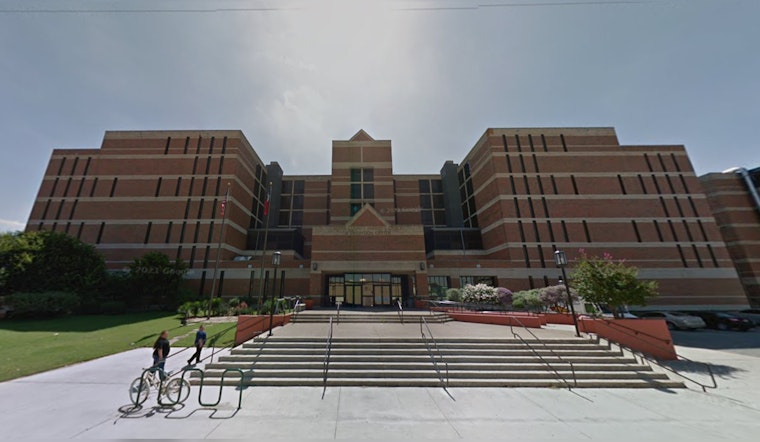
To address the soaring inmate population this summer, Bexar County has started transferring inmates to neighboring county jails, a situation prompted by a near breach of maximum capacity in June, as reported by San Antonio Report. More than 100 inmates have been relocated to facilities in Burnet and Kerr Counties under an informal arrangement, a practice not seen since 2016, and formalized contracts are expected soon.
The inmate count hit a blistering 5,024, just shy of the jail's capacity of 5,075. According to Sheriff Javier Salazar, this influx has necessitated a number of inmate transfers commencing in mid-June. "Realistically, I think this is the new normal," Salazar told reporters. "I think we need to be preparing for [inmate transfers] on a constant basis." Only those "paper ready" inmates, meaning those already convicted and awaiting state prison transfer, are eligible for the move.
The contracts with these counties are not just about space, but also about the economics of human confinement. Once formalized, the agreements will set Bexar County back some $80 per day for each inmate housed in Burnet County, and $65 per day per inmate in Kerr County. The Sheriff's Office disclosed that from June 13 to July 2, Bexar County already owes Burnet County $163,840 and Kerr County $54,210 for their services.
The nitty-gritty of these deals, as of yet, remains in legal limbo. But, Salazar anticipates that these arrangements will continue to be an integral part of dealing with overpopulation until the local jail can expand its capacity. “I don’t know that we’ll ever get to the point where we’ll get a new jail,” he candidly expressed, yet he hinted at the potential need for an additional tower in the future. The jail's challenges are compounded by almost 300 inmates clogging up the system, awaiting transfer to state prison.
The situation at Bexar County Jail reflects a wider issue across major Texas counties, as they grapple with state-induced delays in transferring inmates with mental health issues to appropriate facilities. Staffing shortages at state hospitals have exacerbated this bottleneck. Consequently, mental health beds have decreased, leaving some inmates stranded in jail for prolonged periods. The Sheriff's efforts to reduce jail staff overtime and vacancies, through a $1.7 million funding approval by the Commissioners Court for mandatory overtime and the introduction of hiring incentives last year.





