

























































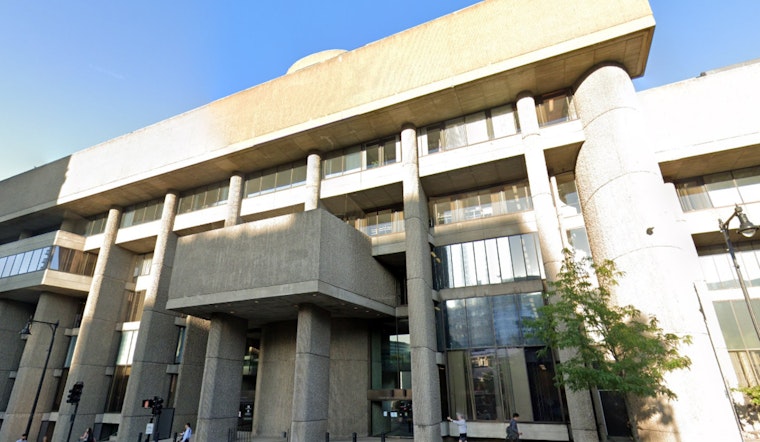
In a move aimed to swiftly bolster housing accessibility in Boston's downtown area, the Healey-Driscoll Administration has set forth a revised vision for the transformation of the Charles F. Hurley and Erich Lindemann buildings. According to an official announcement from the Division of Capital Asset Management and Maintenance (DCAMM), the plan encompasses a mixed-use residential redevelopment that preserves the buildings' historical significance.
The strategy nimbly pivots away from previous proposals, wherein only the Hurley building was flagged for redevelopment—excluding the Lindemann building—into state office space and life science labs. Now, the Administration has made clear their intent to instead focus on delivering much-needed homes within this prime locality. As reported by Mass.gov, Secretary of Housing and Livable Communities Ed Augustus lauded the updated plan, asserting, "Stable housing can make all the difference in someone's life, and that is especially true when we talk about the impact it has on mental health."
The updated proposal sets the stage for an upgraded residential provision to uphold the services currently rendered for mental health clients at the Lindemann building. Furthermore, the redevelopment is envisaged to stimulate the regional economy and cater to the surging demand for residential spaces. DCAMM Commissioner Adam Baacke told Mass.gov, "DCAMM looks forward to partnering with the City of Boston, community members, and our colleagues across state government as we revitalize this site in a manner that respects and preserves its significant architectural heritage."
The vision involves measures that aim to retain the buildings' architectural character while providing contemporary upgrades. The Hurley - Lindemann site, noted for its mid-century design by architect Paul Rudolph, represents a palpable link to Boston’s architectural narrative. The approach to incorporate residential redevelopment with the existing mental health services is an embodiment of the commitment to community well-being, which Department of Mental Health Commissioner Brooke Doyle underscored: "We welcome the opportunity to be part of the process of providing a more modern and accessible residential infrastructure to support our mental health clients," she told Mass.gov.
As Boston grapples with housing challenges amidst its expanding urban fabric, such infrastructural revisions are greeted as a pathway toward sustainable growth. Praise for the Administration's initiative also came from various stakeholders, including Jay Ash, CEO of the Massachusetts Competitive Partnership and Former Massachusetts Secretary of Zoning and Economic Development, who remarked on the significant investment in Boston's downtown real estate market that the plan signifies. The redevelopment’s progress will be closely watched by community members and stakeholders as future planning and the RFP process evolve.





