

























































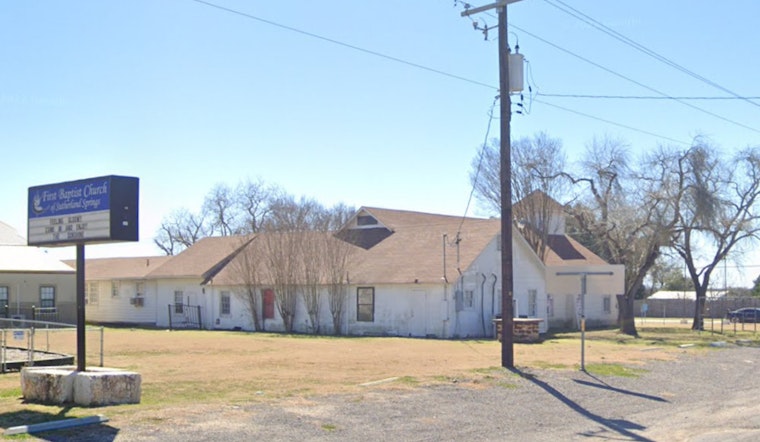
As the First Baptist Church of Sutherland Springs faces its potential demolition, the site of the deadliest church shooting in U.S. history drew visitors and mourners, perhaps for the last time. While leaders of the church have not yet disclosed a timeline for the demolition, locals and family members of the victims attended a somber gathering inside the sanctuary on Tuesday. Amid the final attempts to halt its destruction, the community reflected on the lives lost to the 2017 tragedy, as reported by Fox San Antonio.
Amidst the rows of white chairs emblazoned with the victims' names, emotions ran high. Roxanna Avants, 71, articulated her view to Fox San Antonio, saying the church ought to remain a sanctuary, and a living memorial regardless of its painful past. She stated, "even if people don't want to walk past a reminder of a tragedy, the church is still a house of God and a memorial for those who died in 2017." And yet the prospect of the church being razed to the ground remains a vivid possibility, emphasized by the presence of Wilson County Sheriff's deputies who, citing private property concerns, compelled journalists to vacate the premises.
Those seeking to preserve the church have found momentary reprieve in a court decision. In an attempt to provide a legal barrier to the impending demolition, a Texas judge granted a temporary restraining order. Sam Fugate II, representing families against the demolition, voiced worries to AP News that despite the order, the church had not been officially served as of Tuesday afternoon, and the demolition could still proceed.
To many within the Sutherland Springs community, the prospect of erasing the sanctuary is heart-wrenching. Terrie Smith, president of the Sutherland Springs Community Association, admitted to AP News how the news of the church's possible demolition has left many "devastated." Reflecting on personal loss, Smith recounted the lives of Joann Ward and her two daughters, aged 7 and 5, whom she considered family, all perished in the shooting. The memorial sanctuary is, in her words, “It’s just a beautiful, beautiful memorial the way it is now.”
The debate over the fate of this sanctuary is not an isolated incident. Communities nationwide have struggled with the question of how to honor sites marred by mass shootings. Structures in Parkland, Florida, Sandy Hook, Connecticut, and Uvalde, Texas, have met varying fates - some demolished, others renovated or replaced. The diverse outcomes reflect the complex tapestry of grief and memory that such sites embody, according to coverage of similar situations by Fox San Antonio.





