

























































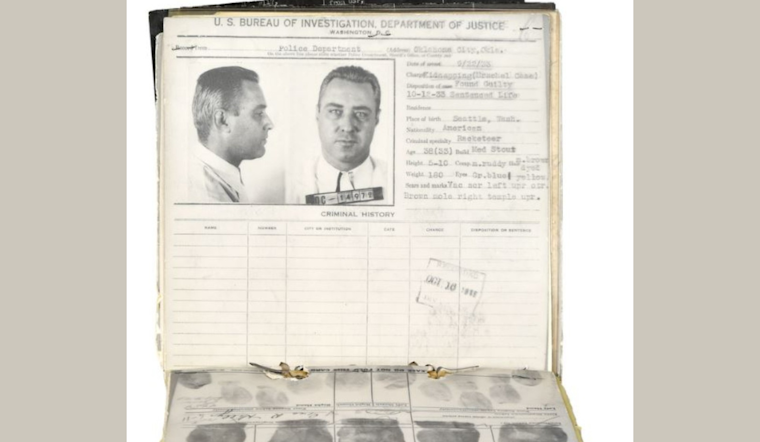
The FBI's compilation of fingerprints and criminal history records has marked a century of usage, an archive that traces the histories of infamous figures from the past hundred years. Among these records, as the FBI Dallas noted, are the fingerprints of escape artist Frank Grigware, infamous 1930s gangster Machine Gun Kelly, and the deposed Iraqi leader Saddam Hussein.
Such staples of crime-fighting emerged from early 20th-century efforts to systematically identify repeat offenders. The FBI's accumulation of these records has grown into a vast database, designed to swiftly cross-reference criminal prints with those found at crime scenes. In a social media post celebrating this centennial, the FBI Dallas provided links to stories showcasing how fingerprinting technology evolved and was instrumental in resolving numerous investigations.
One such story that stands out in the federal law enforcement agency's storied history involves Frank Grigware. Falsely convicted for train robbery, Grigware made an audacious escape in 1910 from Leavenworth Prison and would become the mayor of a Canadian town before his true identity was uncovered by his fingerprints. Similarly, Machine Gun Kelly, notorious for his spree of crimes in the 1930s, was apprehended and his identity was confirmed by this same forensic tool. Decades later, the 2003 capture of Saddam Hussein provided another high-profile example of fingerprinting's enduring role in international law enforcement efforts. His identity was confirmed post-capture through the FBI's Integrated Automated Fingerprint Identification System.





