

























































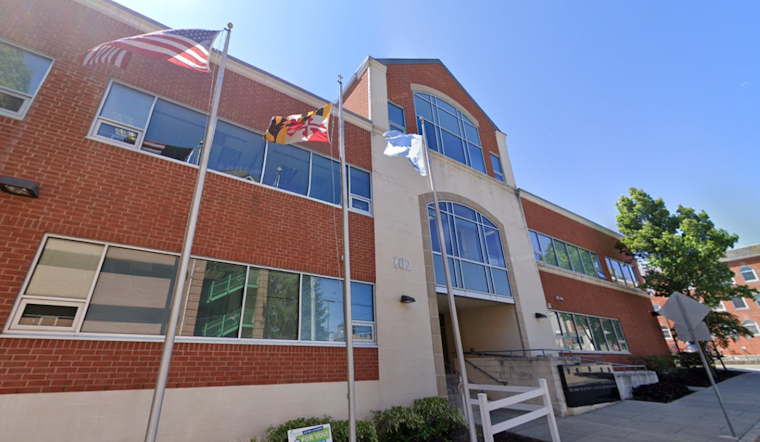
Tension rippled through Harford County as the School Board found itself at the center of a simmering debate over the rejection of an Advanced Placement African American studies course. In an intense and drawn-out meeting on Monday night, nearly 60 speakers took turns voicing their stance on a curriculum decision that has divided the community, as reported by CBS News Baltimore. The meeting, which extended over two and a half hours, opened a window into the passions and concerns driving a larger national conversation about how history is taught in schools.
Back in June, a narrow 5 to 4 vote by the school board had initially halted the progress of the AP African American Studies course, which had been piloted in the 2023–24 school year at three high schools. The decision stirred dissatisfaction among those who saw the course as critical to understanding the full spectrum of American history. "Black history is American history, is American history period," Amber Mills, a teacher at Aberdeen High School, stated, as per CBS News Baltimore. Opponents of the board's decision pointed out that about 90 students had already expressed interest in the course, signaling a tangible desire among the youth to engage with this aspect of their nation's legacy.
An example of the latter sentiment was echoed by a community member aligned with Moms for Liberty, Suzie Scott, who argued that "The highly politicized nature of that course is not appropriate content for high school students." This stance is pitted against that of many students and educators who see value in confronting the more challenging aspects of American history. "The significance of this course is to urge students to dig deeper, and unfortunately, the more you dig in American history, the uglier it gets," remarked Edgewood High School student Kareem Wallace during his address to the board, according to CBS News Baltimore.
"Not only should we have this AP curriculum, we should have more like it for different nationalities and different cultures, and we should include all of them because America is changing and 10 years from now it's going to look way different then it has now," Jordan Cook stated, as detailed by WMAR-2 News. As the community awaits the outcome, one thing is clear: The conversation on how to reflect America's evolving identity within education systems is far from over.



