

























































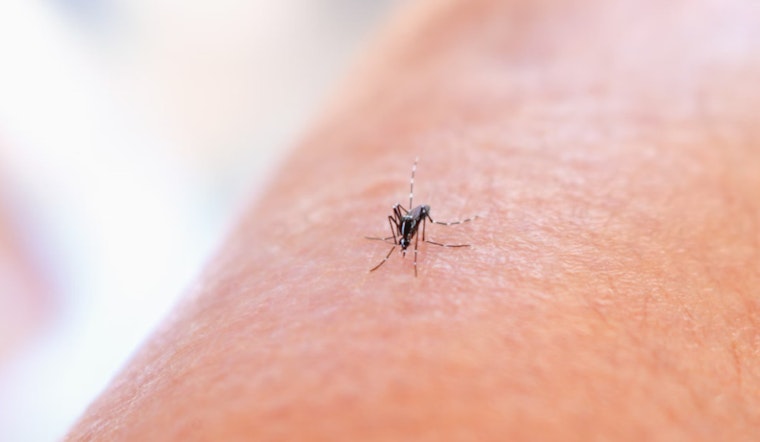
Health officials in Harris County are sounding the alarm on a significant uptick in West Nile virus cases, with seven human infections confirmed and over 500 positive mosquito samples reported. According to KHOU, experts have linked the surge to a warmer spring and recent rainfall, creating a breeding haven for mosquitoes in the region.
The latest figures from the county reveal that 520 mosquitoes have tested positive for West Nile, with detections in 168 out of the 268 surveyed unincorporated areas, highlighting the pervasive nature of the vector-borne threat, and considering Houston's climate and geography, it's no surprise that mosquitoes are thriving this season especially following Hurricane Beryl's trail of standing water and debris exacerbating the issue, a stark comparison to last year's 50 positive samples as outlined by Houston Chronicle.
"Diseases transmitted by infected mosquitoes are a serious threat in our area," said Dr. Ericka Brown of Harris County Public Health. She advises that protections against mosquito exposure are necessary, given the potentially severe health consequences. Dr. Brown emphasizes that while most West Nile virus cases are mild or symptomless, there's a risk for serious conditions such as encephalitis and meningitis, especially in older adults and people with weakened immune systems. These sentiments echo the CDC's acknowledgment of West Nile virus as the predominant mosquito-borne disease in the U.S., with Harris County cited as a high-risk area.
As the county grapples with this public health concern, an increased emphasis is being placed on the three 'D's and 'T's of mosquito prevention: draining standing water, using DEET insect repellent, and dressing in protective clothing, and for the 'T's tip or empty standing water, toss out debris, and take action by applying repellent, wearing protective clothing, and treating water with larvicides, as stated in reports from both KHOU and the Houston Chronicle.
Beyond human protection, pet safety is highlighted as a serious issue, with Max Vigilant, director of Harris County’s Mosquito and Vector Control Division, underscoring in a press conference cited by the Houston Chronicle, "People with pets should be concerned, you need to protect your pets just like you protect yourself." The risk for heartworms transmitted by mosquitoes to cats and dogs is also evident. Additionally, the appearance of travel-related dengue cases points to the diverse array of mosquito-borne threats present in the region.
Residents experiencing symptoms such as fever, headache, body aches, or nausea after mosquito exposure should contact their healthcare provider promptly. Given the historical precedent of the 2012 West Nile outbreak in Texas, with nearly 1,900 cases and 89 fatalities, the urgency for vigilance against mosquito-borne infections remains high in Harris County.


