

























































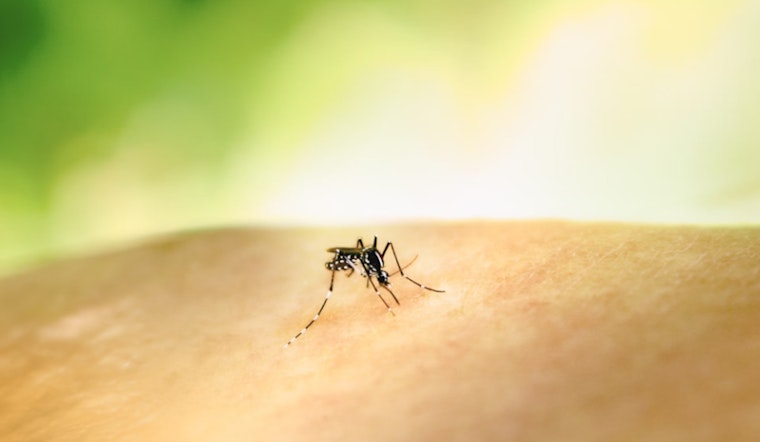
Amid a global increase in dengue cases, Hawaii is stepping up its game. The Hawaii Department of Health (DOH) has confirmed this year six travel-related dengue cases in the state, a concern as warmer climates are usually hot spots for these outbreaks. According to a report by Civil Beat, officials are supplementing their force with plans to introduce new mosquito lab-testing abilities by fall, aiming to speedily detect local transmission of the virus.
With the shocking count of around 10 million dengue cases in the Americas in 2024, as double compared to last year, Hawaii's DOH is under pressure not to only fill the vacant positions in their vector control team but also to work smartly and efficiently. "We’re working hard to be both efficient and effective,” told Matthew Kurano, DOH's environmental health services administrator, to Civil Beat. Although staffing boosts have occurred since the 2015-2016 dengue outbreaks on the Big Island, there still remains 11 unfilled spots in the vector control division, including three vital entomologist positions.
Apart from the mental picture of workers in boots checking out drains for mosquitos, what's really changing is how outbreaks are tracked and contained. The DOH's Kurano mentioned significant advances in vector control over the past two decades, highlighting a more targeted and precise response to outbreaks, which requires fewer people on the ground but does not lessen the need for key specialists in the field. The upgrade in Hawaii's lab testing is supported by a $7,000 CDC grant, stretching till July 31, 2025, which will help the staff to more effectively monitor for the Aedes aegypti, the mosquito species capable of transmitting dengue.
Not to be overlooked is the travel-related case recently reported on Oʻahu, outlined by the DOH and detailed by their press release. This case adds to a list of individuals who have returned from regions where dengue is more prevalent. Hawaii's vector control workers have been actively deploying inspection and mosquito control measures in affected areas and are urging the community to eliminate potential breeding sites by doing simple things like pouring out standing water and using insect repellent.
For those in Hawaii, it's not just about staving off the irritating buzz of mosquitoes. The DOH is laying down a proactive strategy to anticipate rather than merely react, keeping a firm eye on local and global trends in the movement of dengue. As international cases continue to climb, the state looks to its upgraded capabilities to defend against the stealthy virus.





