

























































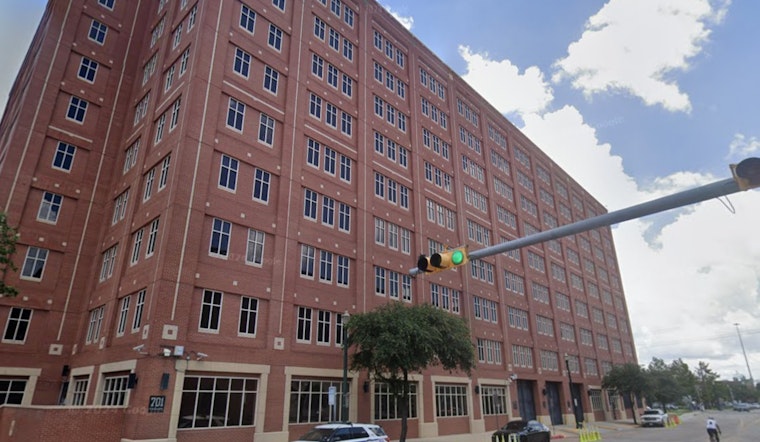
The Harris County Jail has become the nexus of a sophisticated money laundering scheme involving drug-laced paper, an investigation has uncovered. The Houston Chronicle reports that Joshua Owens, 35, currently an inmate at the facility, along with two relatives, are accused of washing roughly $30,000 from the sale of the tainted paper.
Owens, who was previously charged with murder, has now been slapped with additional charges of possession of a controlled substance in a correctional facility and engaging in organized criminal activity, and his relatives face similar charges, engaging in the shady transactions since his incarceration in June 2023, Assistant District Attorney Kim Smith announced during a news conference, the situation was not made easier by the fact that narcotics-infused paper continues to be a recurring issue at the jail. According to Click2Houston, phone calls and financial records revealed numerous deposits into Owens' commissary account facilitated by one relative while another relative's Cash App account reflected transactions tied to the nefarious operation.
The laundering operation, as described by prosecutors, entailed Owens selling the illicit paper to other inmates, who would then remit payment to a connected Cash App account, the funds from which were shuffled to Owens' jail-held commissary fund. "In this case, Owens would sell drug-laced paper to fellow inmates, who would then make payments to a Cash App account," Assistant District Attorney Kim Smith mentioned in a statement obtained by The Houston Chronicle.
The trail of evidence leading to these allegations included the findings of 10 sheets of drug-laced paper during a March cell search, as noted in court documents and with forensic tests subsequently confirming the presence of synthetic cannabinoids, thereby adding to the layers of proof against the accused participants; the entire situation highlighting just how pervasive and complex smuggling and laundering within penal institutions can become. Harris County District Attorney Kim Ogg has proposed capping commissary funds as a preventative measure, a policy change now under the consideration of the Sheriff's Office after these events unfolded and the commissary funds have been seized, with the intent of subjecting them to asset forfeiture proceedings according to legal paths outlined by the courts in the months ahead.





