

























































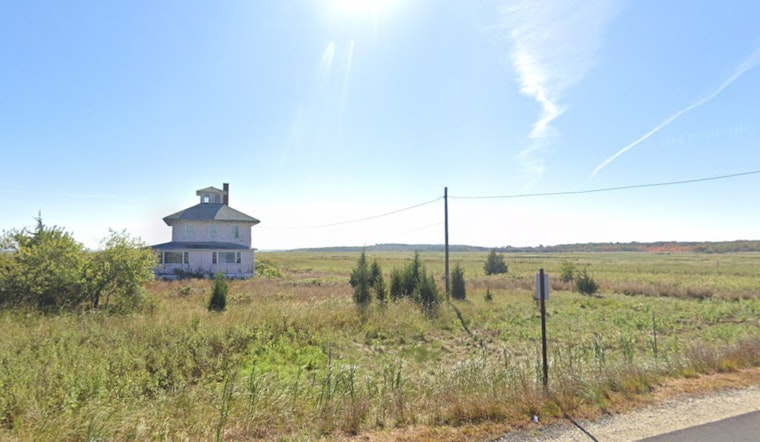
The Pink House, a nearly century-old building perched on the edge of the Parker River National Wildlife Refuge, has entered the real estate market with a surprisingly low starting bid of $3,000, MassLive reports. The U.S. Fish and Wildlife Service commenced the auction process on Wednesday, after admitting defeat in finding a new resting place for the structure known for its distinct hue and precarious position amid a changing landscape.
As the auction opened, no bids had initially been placed on the deteriorating abode, located at 60 Plum Island Turnpike in Newbury, as reported by Boston 25 News. Yet potential buyers must grapple with the fine print; the house, affected by serious health hazards such as asbestos and lead-based paint, comes without land and poses the significant logistical dilemma of needing relocation from its current plot. A deposit of $1,500 is required to take part in the bidding.
Historically, the Pink House's flamboyant exterior belies a more tumultuous inner life, encased within walls of plaster and sheetrock, as depicted by MassLive. Constructed in 1925 for George and Gertrude Cutter, a local family with deep Newburyport roots, including connections to a cafe and the Fern Shoe Company, it has watched the seasons change for nearly a hundred years. The structure, now occupying the federal wildlife refuge, commands attention with its wood, pressboard, and shingle construction, topped by an asphalt roof. The basement, approximately 628 square feet in size, boasts the unwanted feature of standing water, further complicating the home's preservation.
Underneath its iconic pink exterior, the house has struggled with increasing environmental pressures, evidenced by at least two flooding incidents in 2024 alone, and many see the future as bleak if it remains in situ. According to the Fish and Wildlife Service, maintaining the house would prove a costly endeavor, redirecting funds from wildlife conservation. "To maintain the house in perpetuity would strain the refuge’s limited resources at the expense of wildlife conservation and other visitor needs," the agency said in a statement obtained by MassLive. The dangers presented by the materials within are matched by the constant need for maintenance to prevent catastrophic damage. Should the auction fail, the service has plans to abate the hazardous materials and remove the house themselves.
Despite the challenges and a storied past, the Massachusetts Historical Commission has twice deemed The Pink House unfit for the National Register of Historic Places. Nevertheless, those interested in possessing a piece of Massachusetts history, and with the initiative to overcome the logistical hurdles, are invited to place their bids. Full details on the health hazards and logistical requirements for moving the house are outlined in the GSA auction listing, underscoring the gravity of such an undertaking. The official auction timeframe extends over one to two months, leaving a narrow window for preservationists and history enthusiasts to act upon this unique opportunity.





