

























































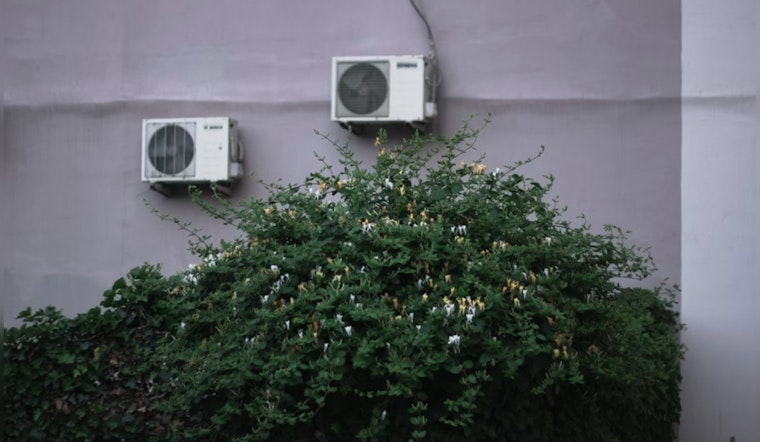
In the sweltering climate of Texas, where triple-digit temperatures are becoming the summertime norm, a federal utility assistance program is falling short in its support of low-income households stricken with skyrocketing climate control costs. The program—Low Income Home Energy Assistance Program (LIHEAP)—is, according to Texas Tribune, heavily skewed towards supporting cold-weather states, leaving hot regions like Texas inadequately funded.
Tucked between cotton fields and the border fence, San Elizario residents, nearly 30% who live below the poverty line, often confront formidable electric bills during scorcher summers. Olivia Figueroa, from AYUDA Inc., tells Texas Tribune that at least half of them are asking about funds to help pay their water or electric bill, from the daily influx of calls for aid, which currently, they cannot provide. LIHEAP's reach in Texas extends to only 7.6% of the state's low-income residents' heating and cooling costs, a stark contrast to the near 23% coverage it provides in northern states like Minnesota.
Inequity in program funding continues to be a pressing issue. Mark Wolfe, executive director of the National Energy Assistance Directors’ Association, highlighted how federal funding has failed to rise in tandem with increasing temperatures and energy bills. The Energy Information Administration forecasts higher energy bills coming summer, which disproportionately burdens low-income families who typically spend upwards of 6% of their income on energy costs. Wolfe stressed that need in a statement, asking, "How do we help low-income families stay current with their bills when the bills are going up because it’s getting hotter?"
Meanwhile, hands are tied for many Texas residents when federal funds decrease. LIHEAP gravitates funds to local agencies in a trickle-down fashion, where people like Laura Ponce, executive director of Project BRAVO in El Paso, aims to stretch the budget across the deepening need. A statement obtained by the Texas Tribune from Ponce asserted, "Definitely more funding would be helpful," and continued, "Funding that is at the level that would allow us to meet the need in the community." She emphasized that heat kills as much as cold and advocated for a more needs-based formula regardless of climate.
The struggle extends to areas like San Elizario, where flimsy trailer homes offer little reprieve from the heat, and families choose between risking their health or incurring a bill they can't afford. The picture painted by Texas Tribune is stark, capturing the voice of Graciela Ortiz from El Paso's Extreme Weather Task Force, who cites conversations with seniors avoiding air conditioning use due to fear of resulting costs, saying, "I’m dying in the heat but I can’t turn on the air because I can’t afford a $150 electric bill."
Arizona's plight mirrors that of Texas, with Patricia Solis, executive director of the Knowledge Exchange for Resilience, telling Texas Tribune that heat-associated deaths are on a dramatic rise. With LIHEAP funding only reaching about 5% of eligible households in Arizona, the call for a revised federal funding formula to confront the face of climate change becomes increasingly urgent.




