

























































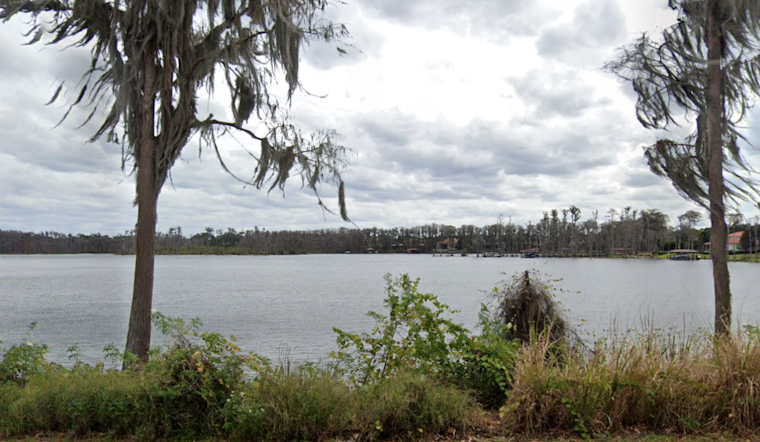
In a survey by Lake.com, The spotlight has been turned to the waters of the United States, revealing a list of the cleanest and dirtiest lakes. The study considered eight telling factors of water quality across American lakes, placing Florida's Lake Louise at the zenith of cleanliness while Utah Lake suffers the dubious honor of being the nation's most dirtied body of water, as detailed by Click Orlando.
These selections were not made lightly, the study reviewed levels of dissolved oxygen, ammonia, lead, phosphorus, sulfate, total dissolved solids, turbidity, and pH. The irony of bearing the cleanest lake title, Florida also hosts some lakes, such as Hammock Lake and Wolf Branch Canal, teetering on the edge of the top ten dirtiest list. Sitting on the rank of dirtiness, Lake J. B. Thomas and Lake Wichita from Texas follow Utah Lake's lead.
A deeper dive into the findings, published on Water Online, uncovers more about Lake Louise's water quality. Holding just 0.004 mg/L of ammonia and a welcoming pH level of 6.98, these figures suggest a sanctuary for aquatic life. On the darker side of the spectrum, Utah Lake bears a turbidity of 51 NTU and a worrying 1,221.73 mg/L of total dissolved solids, including sulfates that can leave an unpleasant imprint on the senses.
A disturbing finding emerged as researchers stumbled upon a cluster of lakes in Casselberry, Florida, which contained disturbing lead levels. The lakes, including Lake Yvonne and Lake Marie up to Lake Griffin, flagged some of the highest concentrations among their brethren, reminding us of the often-unseen dangers lurking beneath serene surfaces. According to Water Online, David Ciccarelli, CEO of Lake.com, recommended caution: "American lakes appear to be generally clean. If you are visiting a lake this summer, follow the signage installed nearby which should inform you of whether swimming is allowed and the circumstances in which this can take place."




