

























































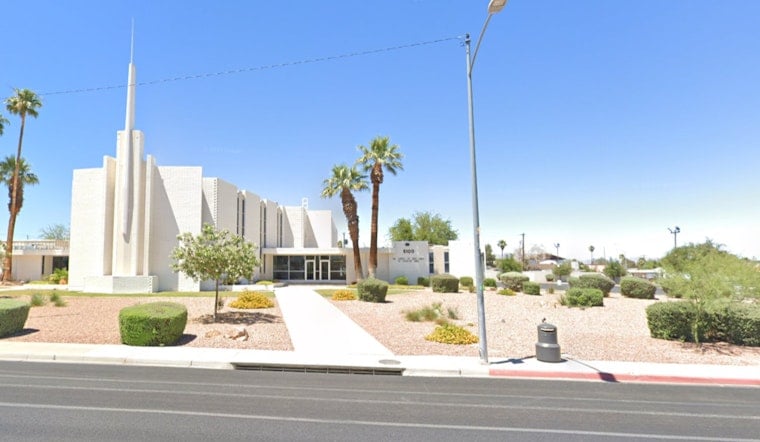
The Las Vegas City Council is gearing up to deliberate on a contentious proposal from The Church of Jesus Christ of Latter-day Saints regarding the construction of a new temple in the Lone Mountain area. According to The Review Journal, the proposal has already moved through the city’s planning commission in mid-May with recommendations for approval. Meetings are set to resume on Wednesday, with council members expected to review a bundle of planning requests tied to the project that aims to prominently feature a 70,000-square-foot temple, complete with a soaring 216-foot steeple.
The project's scale includes a nearly 16,000-square-foot meetinghouse, as well as a 1,800-square-foot maintenance building and an equally sized pavilion in storage. Church officials have asserted the necessity of the temple to comfortably accommodate the rapidly to grow congregation of Latter-day Saints in Las Vegas valley. In an outline shared by News 3 Las Vegas, the temple is conceived to span over a 20-acre plot between Grand Canyon Drive and Tee Pee Lane, making it a significant addition to the community's religious and architectural landscape.
However, this development has not been without its detractors. Community members have poised themselves against the plan, voicing concerns over how the light emanating from the temple and its substantial size could infringe upon their quality of life—a sentiment echoed in the jostling of complaints and support at a recent planning commission meeting. Inhabitants of the largely rural residential area also project an increase in traffic, which could disrupt the neighborhood's current equine-friendly demeanor, as reported by News 3 Las Vegas.
The city council is poised to not only consider the site's development plan during the Wednesday session but also to possibly amend the city's general plan and the land's zoning classification, which could directly influence the area's structural fabric. The council meeting is slated to start at 9 a.m. with the temple discussion reserved for 2 p.m., to better allow officials to brace themselves for the anticipated array of testimonies and evidences.





