

























































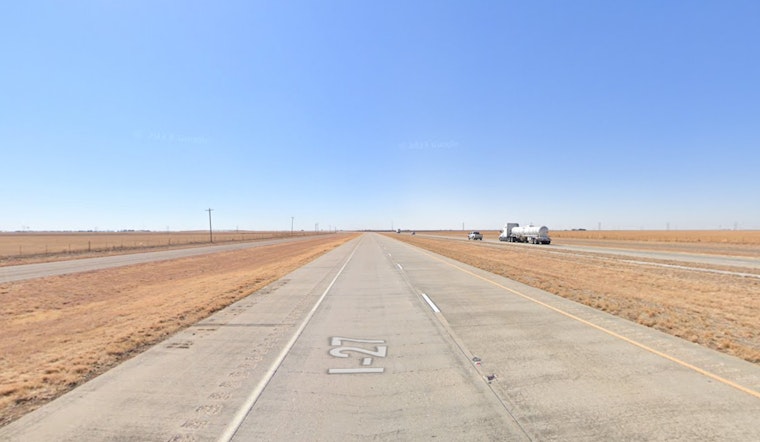
Residents of North and East Lubbock have long felt the sting of isolation, as Interstate 27 carves a dividing line between their neighborhoods and the city's more prosperous areas. As The Texas Tribune reports, advocates from these communities are calling for action to dismantle the barriers—both literal and figurative—embedding segregation into the city's urban fabric.
Once enforced by policy, divisions in Lubbock have lingered despite the repeal of explicit segregation laws. An ordinance enacted over a century ago, corralling Black residents to the east side—a law rebuked only as recently as 2006. According to census data cited by The Texas Tribune, around 24% of East Lubbock's residents live in poverty, compared, to the city's overall rate of 19%. Industrial zoning continues to encase the area, bringing pollution and economic stagnation in stark contrast to the city's thriving west side.
A $3.3 billion pledge by President Joe Biden to reconnect communities splintered by transportation infrastructure has seen federal funds allocated to various Texas projects, yet Lubbock remains conspicuously absent from this list of recipients. Advocates in Lubbock decry the lack of progress, pointing to unfilled potholes and hollow storefronts as signs of neglect. As Robert Baxter, a community leader, told The Texas Tribune, "In North and East Lubbock, we have matchbox houses. We want to have brick, too."
In response to these ongoing issues, the North and East Lubbock Coalition filed a federal civil rights complaint last summer, seeking redress for the city's zoning policies that perpetuate disparities. And yet, a committee formed to scrutinize this complaint included industry executives but excluded the very residents who sought change. As detailed by The Texas Tribune, no firm answers or resolutions were offered following the committee's recommendation, leaving many to question the city's commitment to reconciliation.





