

























































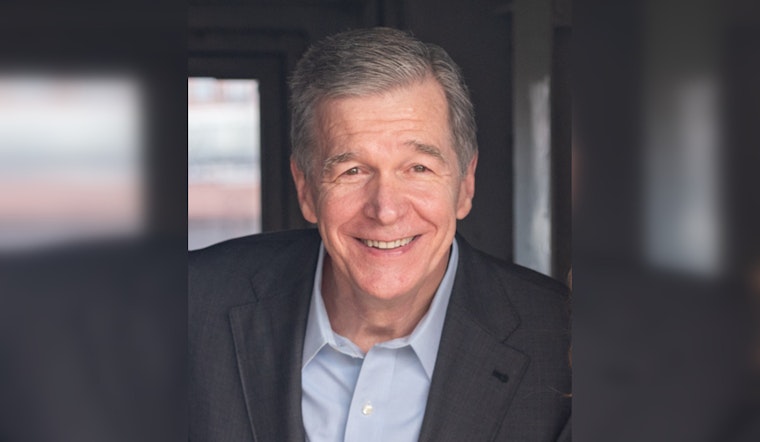
In a strategic retreat from the veepstakes, North Carolina's Governor Roy Cooper has decided to sideline himself from becoming Vice President Kamala Harris’s potential running mate. Two sources briefed on the decision communicated to WSOCTV yesterday, that Cooper’s decision was influenced by concerns about his current office, specifically the Republican lieutenant governor assuming control should he vacate his state position.
According to those privy to the matter, Governor Cooper stepped back prior to Harris' formal process of soliciting vetting materials from potential vice presidential candidates. The sources, who require anonymity due to the delicate nature of the search, said the vetting of prospects is still in motion, as Harris' legal and political teams continue to review information on a shrinking roster of potential candidates. Despite declining to partake in the vet, Cooper was originally seen as a potential key to swinging North Carolina – scholars of political topography would note as a critical chess piece for Democrats to strategize over the 2020 electoral map.
Meanwhile, the New York Times illuminated that Cooper was among a succinct list of six individuals considered high-potential candidates to accompany Harris in her bid. The explicit reasons behind his withdrawal remain unclear, perhaps shrouded in political calculus or personal discretion.
Adding to this narrative, CNN reported Cooper's own words, which he shared publicly, "I strongly support Vice President Harris’ campaign for President. I know she’s going to win and I was honored to be considered for this role. This just wasn’t the right time for North Carolina and for me to potentially be on a national ticket," Governor Cooper said. Further demonstrating his backing for Harris, he affirmed the robustness of her candidate list, committing to ensure her victory come election time.
Forecasters peer into the political horizons, suggesting an imminent announcement from Harris possibly occurring before August 7, 2024, as she considers deepening the bond with her selected running mate through upcoming private discussions. While Cooper's withdrawal subtracts one possibility from a diverse array of political talents, the deliberation for a running mate proceeds with measured steps—reflective, perhaps, of the gravity of the choice at hand and the future it seeks to shape.


.jpg)