

























































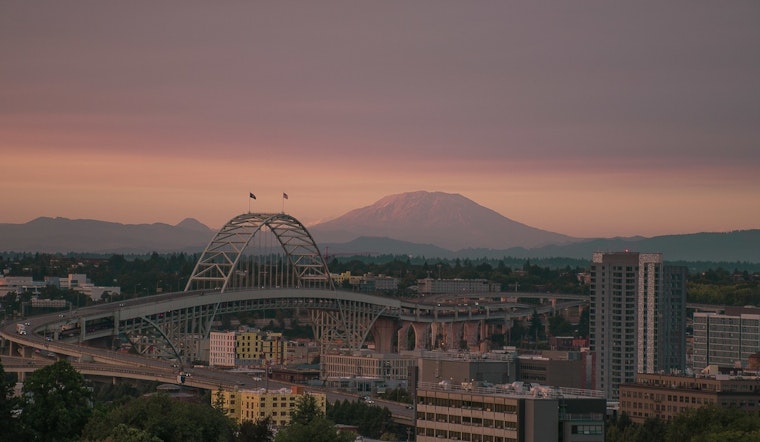
The Oregon Department of Environmental Quality, along with the Lane Regional Air Protection Agency and the Southwest Clean Air Agency, has issued an air quality advisory for the Portland-Vancouver metro area, Willamette Valley, and northern Umatilla County. The culprit? High levels of ozone pollution, are known more commonly as smog. Despite the seeming tranquility of a summer's day, the air is laden with an invisible threat that has prompted such an advisory, expected to last until Tuesday evening for the metro area and Willamette Valley, and through tonight for northern Umatilla County.
Particularly vulnerable populations are advised to take heed. According to a recent post on the Oregon DEQ's website, "DEQ, SWCAA and LRAPA expect ozone pollution to reach levels today and tomorrow that could be unhealthy for sensitive groups." These groups include children, pregnant individuals, the elderly, and those suffering from heart or respiratory ailments. Officials are urging these sensitive groups to limit outdoor activities while the smog hovers menacingly over their communities.
With a heatwave exacerbating the situation, residents are advised to do their part to limit activities that contribute to the poor air quality. Proposals from the agencies include taking public transit or carpooling instead of driving alone, avoiding to unnecessarily let engines idle, and refueling during cooler evening hours. They further recommend that residents postpone using gas-powered equipment for yard work, as well as delay any painting or aerosol spray projects.
Smog isn't just a hazy irritant—it's a serious health concern that can exacerbate breathing problems, as well as irritate the eyes and nose. Smog forms a toxic cocktail when pollution from cars, gas-powered engines, and volatile compounds in chemical products mix with sunlight and heat. It peaks in the afternoons and early evenings, and without vigilance, air quality monitors may show deceptive dips into 'good' quality before quickly leaping into unhealthy ranges as the day progresses. Those experiencing worsened symptoms are urged to consult their health care provider posthaste.
As the advisory stretches into the coming days, the community's collective response can mitigate the impact of this environmental blight. The call to action is clear: protect oneself and one's neighbors by reducing the behaviors that enable the smog to thrive, and monitor the skies with a critical eye.





