

























































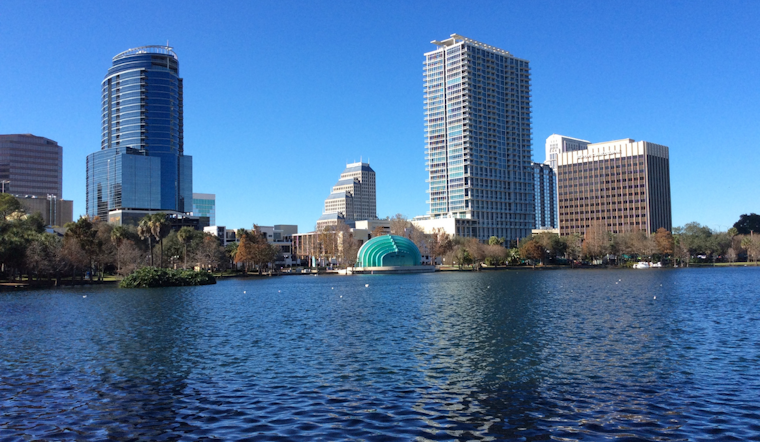
As Orlando braces for another wave of sweltering heat this Independence Day weekend, locals and tourists alike are urged to take the necessary steps to avoid heat-related illnesses. According to a recent forecast, high temperatures will persist alongside a moderate chance for showers and thunderstorms through the weekend. Specifically, the heat index is expected to hover between 102-107 degrees Fahrenheit, posing a "Moderate to Major HeatRisk" to Central Florida residents, according to the National Weather Service.
While Hurricane Beryl continues to approach Jamaica and the Western Caribbean, Florida will remain untouched, shielded by high pressure that negates any potential impact from the storm. Nonetheless, this high-pressure system contributes to Orlando's ongoing heat scenario, with overnight low temperatures that are "potentially threatening record warm minima." Those planning outdoor activities are advised to stay hydrated seek shade, and "head indoors when thunder roars", as per the National Weather Service.
The marine forecast for the area remains placid, with light southeast breezes and seas ranging from 2-3 feet anticipated through Sunday. Boaters should watch for isolated showers or storms, especially during the overnight and early morning hours offshore, which could shift closer to the coast during the late morning into the early afternoon. For aviators, the weather bodes well with VFR (Visual Flight Rules) conditions expected to prevail through most of the TAF (Terminal Aerodrome Forecast) period, despite isolated showers and thunderstorms that could cause brief reductions in visibility.
Looking forward to the early part of next week, the mixture of a tropical wave over the North Caribbean and the subtropical ridge suggests a rise in storm chances, especially on Monday. Temperatures will continue to sizzle, with daytime highs comfortably, sitting in the low to mid-90s and the heat index nudging up against the advisory threshold of 108F. As the National Weather Service cited, this period will remain characterized by high humidity and continued heat, ensuring the "Moderate to Major HeatRisk will persist," signaling an unusually high opportunity for heat stress among the city's inhabitants and visitors.





