

























































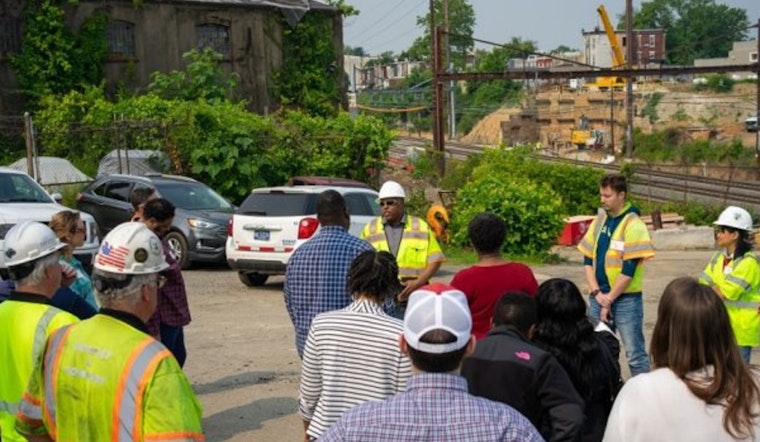
In a move aiming to strengthen the local workforce and economy, President Biden has announced Philadelphia as a new addition to the nationwide Workforce Hubs. This strategic decision is a part of the President's broader "Investing in America" agenda, a constellation of initiatives including the American Rescue Plan and the Bipartisan Infrastructure Law. The city stands to gain from tailored job opportunities that are expected to spring from these federal investments, promising a surge in good-paying careers for its residents.
The program introduces what's known as Geographic and Economic Hiring Preferences (GEHP), designed to set hiring goals for apprentices and journeypersons from economically disadvantaged areas. According to the U.S. Department of Transportation, released in April 2023, implementing GEHP can open doors for individuals facing employment challenges, helping to diversify the construction workforce and distribute the benefits of infrastructural development more evenly throughout the city, as noted by the City of Philadelphia.
For Philadelphians, especially those living in Priority Zip Codes—areas with a high percentage of the population living at or below 200% of the federal poverty line—the GEHP offers tangible advantages. Local workers stand to access an array of well-paying construction jobs, while contractors in the city will enjoy a ready and skilled workforce to meet the demands of upcoming infrastructure projects. Moreover, these hiring preferences will apply to several city public works contracts, including those for key departments responsible for the streets, water, and airport, thereby ensuring consistency across the board in local government projects.
The hiring goals of the GEHP are clear-cut: at least 30% of apprentice-performed project work hours must be allocated to residents from Priority Zip Codes, while journeypersons must see a quota of at least 20%. These numbers are not just abstract figures; they represent a commitment to leveling the economic field and fostering a community where the construction and infrastructural development mirror the diversity of its citizens. As such, the GEHP could significantly amplify economic freedom for workers who have historically been sidelined from the construction and infrastructure sectors, ensuring, a straightforward distribution of the gains from the vast federal investment funneled into city improvements.




