

























































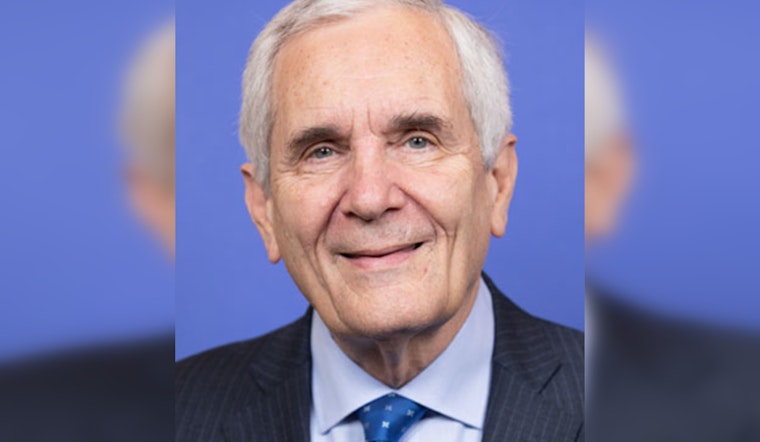
In a political climate swirling with speculation and strategy, Rep. Lloyd Doggett of Texas and Rep. Raúl Grijalva of Arizona have emerged as the first Democrats in Congress to publicly nudge President Joe Biden away from a reelection bid; Doggett's position, as quoted by CBS Austin, remains supportive should Biden stay put, asserting "It's so vital that we prevail in this election, and I would support [Vice President Kamala Harris]," Doggett, drawing from his breadth of political experience, publicly voices a tension simmering within the Democratic ranks in an interview with CBS Austin.
While Grijalva communicated through The New York Times his conditional backing of Biden — "I’m going to support him, but I think that this is an opportunity to look elsewhere" KXAN reported. Doggett's advocacy for a broader candidate exploration reflects concern over the former president's potential return to power, and, as Doggett describes, "The Supreme Court this week made clear this week that he can do pretty much whatever he wants as President," which trails Doggett’s cautions about unchecked authority and a foreboding political landscape. In this unfolding story of intra-party deliberations, Doggett's sentiment echoes through the halls of Congress albeit many prefer whispers to pronouncements, holding their strategies close while the specter of an electoral gambit looms over them.
On the backdrop of last week's underwhelming presidential debate, these congressmen's positions spotlight a strategic crossroads for Democrats, as Biden stands firm against the tide of doubts, proclaiming in campaign aides’ call that, "No one is pushing me out. I’m not leaving. I’m in this race to the end, and we’re going to win," a stance confirmed by a campaign official according to NBC News.
As this political episode unfolds, the electoral implications are substantial, not least because Grijalva's and Doggett's districts are Democratic strongholds, with Doggett securing a commanding 76.8% of the vote and Grijalva bringing in 64.5% in their last races, although their concerns reach beyond the numbers, they touch on the essence of democratic integrity and the risk posed by a polarizing political adversary; this situation, while it rouses the base, also ignites a search for a saving strategy that could redefine the future trajectory of the Democratic Party.





