

























































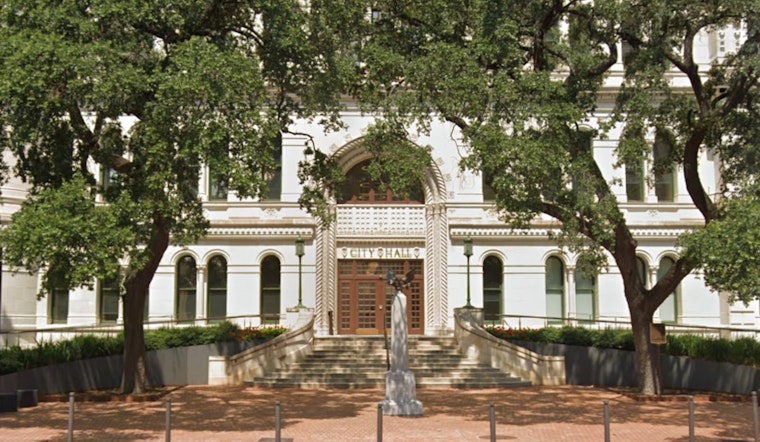
San Antonio is taking cues from Austin in a fresh bid to tackle its looming housing crisis, with city leaders and activists congregating at City Hall, pushing for policy changes aimed at bolstering affordable housing development. Councilwoman Teri Castillo, leading the charge, underscored the urgency, "If we want to get a hold of our local housing crisis, our city must act boldly in preserving our current affordable housing stock while also creating more accessible and affordable housing that our families can rely on for generations," according to a report by the San Antonio Report.
The city is eying two progressive policy proposals, the Community Land Trust Tiered Affordability Policy would transfer idle city-owned land to land trusts, while Stay SA aims to spur equitable construction through developer incentives, this initiative mirrors Austin's somewhat contentious Affordability Unlocked Development Bonus Program that eases building restrictions thus enabling larger affordable housing projects. Mayor Ron Nirenberg and U.S. Rep. Greg Casar of Austin stood with Castillo in solidarity, with Casar drawing on Austin's own battles with housing affordability, "In San Antonio, before people get pushed out, it’d be so much better to just keep people here. So let’s learn from the mistakes in San Francisco and in Austin. Let’s do it right first here in San Antonio," he advised, as captured by the San Antonio Report.
Wariness looms over the complex institutional path that the proposals must navigate; they will undergo thorough vetting by the council's Governance Committee followed by a series of discussions and analyses before the city's Housing Commission. A timeline that Nirenberg noted, echoing his support for Castillo's "innovative ways" to magnify affordable housing initiatives since her election in 202i, yet assertively reminding that despite strides made through the affordable housing bond and the Strategic Housing Implementation Plan, "there is more to be done" given the evident public concern for housing affordability and homelessness.
In a city where the area median income (AMI) for an individual stands at $62,000, there is a growing demand for "deeply" affordable housing, defined as housing accessible to those earning considerably less than what is necessary to fulfill basic needs, in Bexar County, for example, a survival budget for an individual hovers at about $29,520—50% AMI—yet rental opportunities for those earning under this threshold are notably insufficient according to the city's transparent metrics. The ongoing struggle is exacerbated for homeownership among those at or below the 60% AMI marker, where ascending construction costs bring into stark relief the challenge to make developments for the very low-income viable, "The developers don’t seem to know how to make the math work" for deeply affordable housing, Graciela Sanchez of the Esperanza Peace and Justice Center expressed her exasperation to the San Antonio Report.
The housing conundrum also stretches its tendrils into local schools, as highlighted by Harlandale Independent School District Superintendent Gerardo Soto who observed, "When our families have a safe, stable and affordable place to live, our families worry less about meeting daily needs, students perform better academically and our neighborhood public schools and the communities around them thrive." In a time where the White House has pushed out policy proposals targeting the curtailment of housing costs nationwide, the drive for housing affordability, as other leaders concur, remains a many-tiered governmental challenge but one that must be met.





