

























































Seattle's changing climate is hitting hard, with an uptick in extreme weather events—from flooding to heat domes, right up to the choking grip of wildfire smoke—punching disproportionately into the lives of the city's BIPOC communities, its youth and elders, and those scraping by on low incomes. As the pressure mounts, the City of Seattle has its sights set on resilience hubs as a lifeline, structures that not only steel the community against climate shocks but knit together the delicate fabric of daily existence. A fresh revelation by Greenspace Seattle sheds light on the city's push to fold underserved groups into the safety of these hubs.
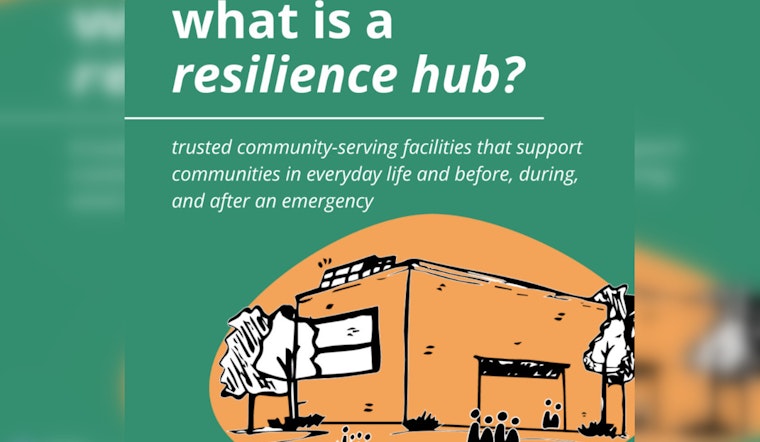
These aren't your run-of-the-mill shelters, but cornerstones of the community, offering succor as public spaces, community-building sites, and go-to spots for resources and shelter especially faith-based outfits, nonprofits, and youth centers; they are meant as safe havens for everyday use that switch gears into refuges amid the surging tide of climate events. Despite these high stakes, these hubs are meant to be everyday parts of the community before they become emergency lifelines, as part of the City's broader, inclusive tapestry to buffer vulnerable groups.
In the spirit of community-led transformation, Seattle's Office of Sustainability and Environment (OSE) leans into the pulse of local BIPOC organizations for guidance in developing a citywide Resilience Hub Plan, an effort to roadmap these havens into the heart of communities at risk. As part of the movement's voice, Bin Jung, OSE's Resilience Hubs Advisor, recently discussed this shared journey toward solidarity and the roadmap that will sketch out the future of these pillars.
With a keen eye on education and engagement, Bin Jung and co are also drumming up events designed to loop in community members, these initiatives are aimed at both enlightening and empowering residents, so they’re not only aware of the haven these hubs provide but actively drawing from and contributing to their strength. In an interview given to Greenspace Seattle, Jung captures the essence of this endeavor, declaring, "Resilience hubs help foster social cohesion and connection amongst community members to prepare for, respond to, and recover from climate change impacts happening now and in the future."





